
News
Uzodimma Approves ₦1m Grant for Imo Returnees Evacuated from South Afric

By Rukevwe Odeh
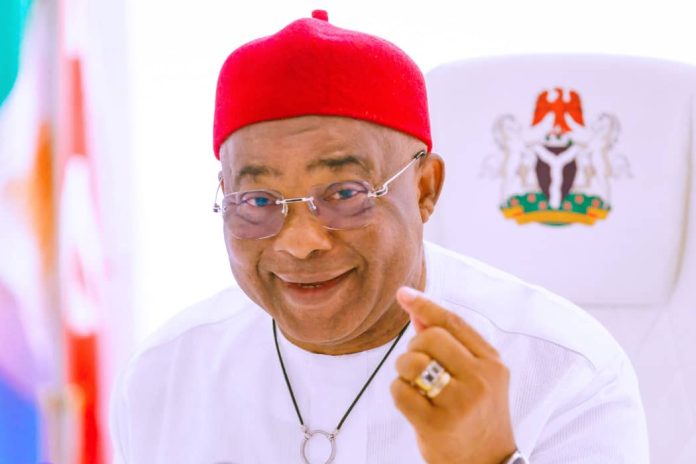
Governor Hope Uzodimma of Imo State has approved a financial support package of ₦1 million for each Imo indigene evacuated from South Africa following recent xenophobic attacks.
The announcement was made on Thursday by Abike Dabiri-Erewa, Chairperson of the Nigerians in Diaspora Commission (NiDCOM), during the reception of the first group of returnees at Murtala Muhammed International Airport in Lagos.
The evacuees, which include men, women, and children, are among more than 1,000 Nigerians who registered for voluntary repatriation amid rising anti-immigrant violence in parts of South Africa.
Dabiri-Erewa said NiDCOM has put measures in place to help the returnees reintegrate into society and will continue to strengthen engagement with Nigerians in the diaspora.
She noted that the evacuation exercise was made possible through collaboration among several government agencies and private organizations. According to her, MTN Nigeria has provided ₦100,000 and ₦50,000 worth of airtime to each returnee, while the National Emergency Management Agency (NEMA) is handling transportation to their respective destinations.
Commending Uzodimma’s intervention, she expressed hope that governors of other states would offer similar assistance to help returning citizens rebuild their lives.
Meanwhile, Kimiebi Ebienfa, spokesperson for the Ministry of Foreign Affairs, disclosed that four additional evacuation flights are expected in the coming days. He also announced that the registration and screening process has been extended until Sunday to allow more Nigerians who wish to return home to participate in the exercise.



By staff Reporter Rukevwe Odeh
A group of stakeholders in Warri has announced its decision to withdraw support for the incumbent member representing the Warri Federal Constituency in the House of Representatives, Hon. Thomas Ereyitomi, ahead of the 2027 general elections.
The group, while explaining its position, cited what it described as dissatisfaction with the lawmaker’s performance and representation of the constituency.
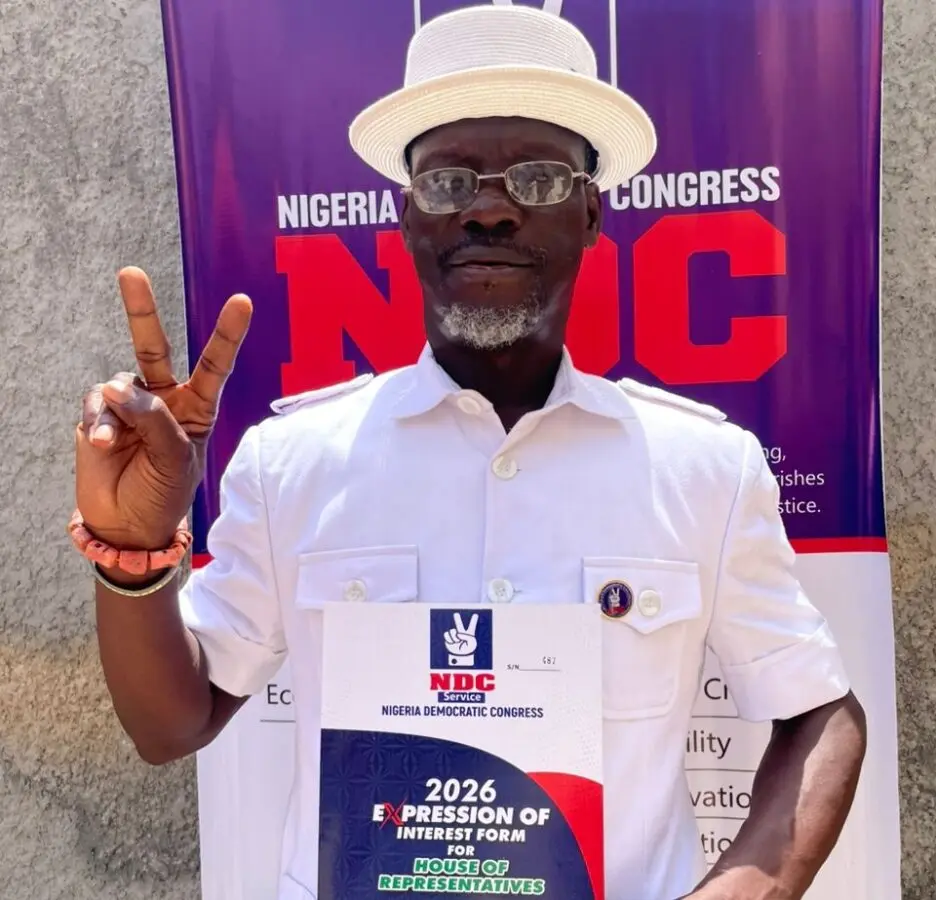
The stakeholders subsequently declared their support for Comrade Jude Ukori Mulade as their preferred candidate for the 2027 House of Representatives election.
According to the group, its decision followed concerns over the level of representation and development delivered to the constituency under the current administration.
The stakeholders said they were seeking a representative who would be more responsive to the needs of the people and more committed to advancing issues affecting residents across the constituency.
They urged other political stakeholders and eligible voters in Warri to consider Mulade’s candidacy as the 2027 elections approach.
The group’s endorsement adds to the growing political activities and realignments expected to shape the contest for the Warri Federal Constituency seat ahead of the 2027 general elections.
Ereyitomi, who currently represents the constituency in the House of Representatives, has yet to publicly respond to the allegations contained in the group’s statement.
By staff Reporter Rukevwe Odeh
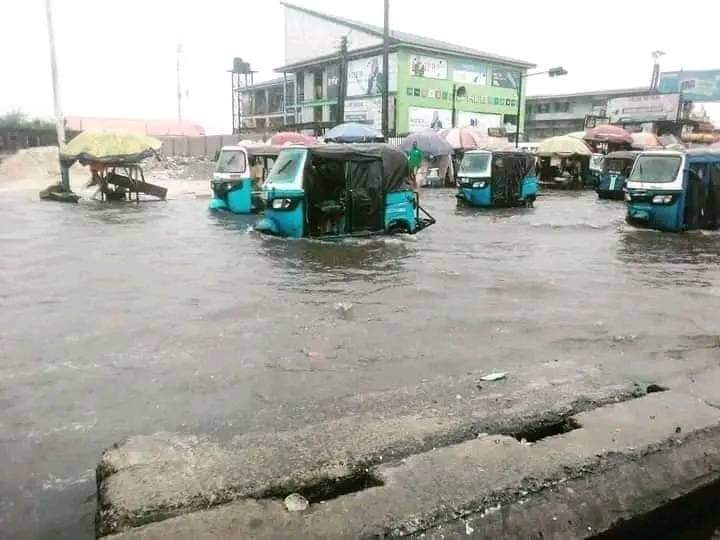
Residents and road users along the Warri Airport Road, particularly the section near Federal Government College in Warri South Local Government Area of Delta State, have continued to contend with recurring flooding despite years of road construction and rehabilitation efforts.
The affected stretch is frequently submerged following heavy rainfall, with inadequate drainage identified as a major factor contributing to the persistent flooding.
The recurring situation has raised concerns among motorists, residents and other road users, who say the condition of the road continues to disrupt movement and create difficulties for commuters whenever there is significant rainfall.
The development has also renewed calls for attention to the drainage system along the route, with residents hoping that a lasting solution will be implemented to prevent the road from repeatedly becoming flooded.
By staff Reporter: Rukevwe Odeh
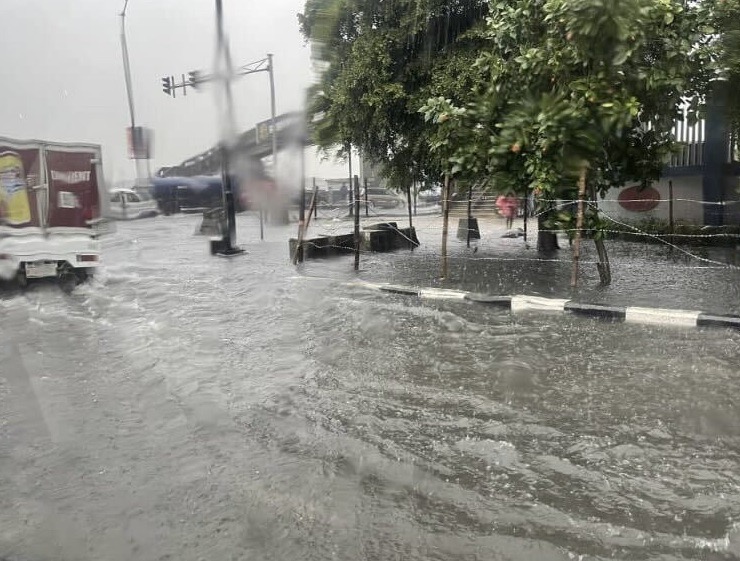
A heavy downpour has left the popular NNPC Housing Complex Road, also known as Ekpan Link Road, submerged in floodwater in Uvwie Local Government Area of Delta State.
The rainfall caused significant water accumulation along the busy road, affecting movement and creating difficulties for motorists and other road users.
The condition of the road has renewed concerns over flooding and drainage challenges in the area, particularly during periods of heavy rainfall.
Residents and commuters are expected to exercise caution while using the affected route as efforts to manage the situation continue.
-

 Social2 months ago
NAIS – Northern Nigeria/Abuja Chapter Honours Amb. Ebi Lagos with Award of Recognition
-
 Breaking3 months ago
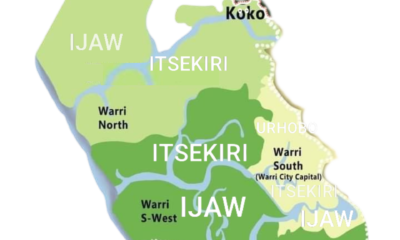
2027: INEC Alegedly Announces Plans to Conduct Party Primaries in the Newly Created State Constituencies in Warri North and Warri Southwest LGAs, Others
-
 News1 month ago
PAP: EX-AGITATORS OF BOYLOAF CAMP DISTANCE SELVES FROM THEIR LEADERS ONSLAUGHT ON THE PAP ADMINISTRATOR
-

 Local News4 months ago
Just In: Ambassador Podoki Emerges APP Candidate for Burutu Constituency-I Assembly Seat
-
 Politics3 months ago
2027: Mulade Challenges NDC’s Substitution of His Party Candidacy, Demands ₦5 Billion Damages
-
 Breaking3 months ago
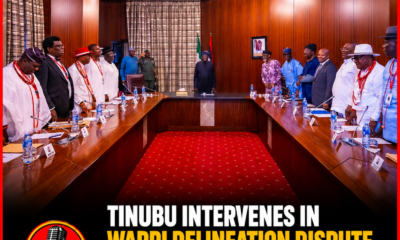
Tinubu Intervenes in Warri Delineation Dispute, Meets Ijaw, Urhobo and Itsekiri Leaders
-

 Local News4 months ago
INC: Group Faults Sponsored Attacks on Tompolo, Igbadiwei, Urges Unity in Ijaw Nation
-
 Entertainment2 months ago
JKing Logistics Coordinator Shed Light to Address Ijaw Music Wage Controversy