
Local News
Senate Endorses ₦11.07 Trillion Customs Revenue Goal for 2026

By Derick Peretengboro
The Senate has approved the 2026 budget proposal of the Nigeria Customs Service (NCS), giving the green light to a revenue target of ₦11.074 trillion and a total expenditure estimate of ₦1.295 trillion for the next fiscal year.
The approval followed the presentation and adoption of the report by the Senate Committee on Customs, Excise and Tariffs during plenary.
Presenting the committee’s findings, its chairman, Senator Isah Jibrin, said lawmakers reviewed the agency’s 2025 budget implementation before considering the 2026 proposal. He disclosed that the Customs Service outperformed its 2025 revenue target by generating about ₦7.2 trillion against the projected ₦6.5 trillion, representing more than 110 percent of the target.
Jibrin noted that the revenue performance could have been stronger if not for policy measures such as the suspension of telecommunications excise duties, incentives for local healthcare production, and disruptions in international trade linked to the Russia-Ukraine conflict, which affected import volumes.
On spending, he explained that although the Customs Service had an approved 2025 budget of about ₦1.132 trillion, only about ₦591 billion was utilised. According to him, delays in securing approvals from the Bureau of Public Procurement and the Federal Executive Council slowed the execution of several capital projects, many of which will now continue in 2026.
The committee stated that the ambitious 2026 revenue projection would be supported by wider deployment of technology, improved revenue recovery systems, real-time audits and enhanced trade facilitation.
The proposed ₦1.295 trillion expenditure includes ₦421 billion for personnel costs, ₦307 billion for overheads and ₦565 billion for capital projects. Funding is expected to come largely from the statutory four percent Free-on-Board (FOB) levy provided under the Nigeria Customs Service Act, 2023.
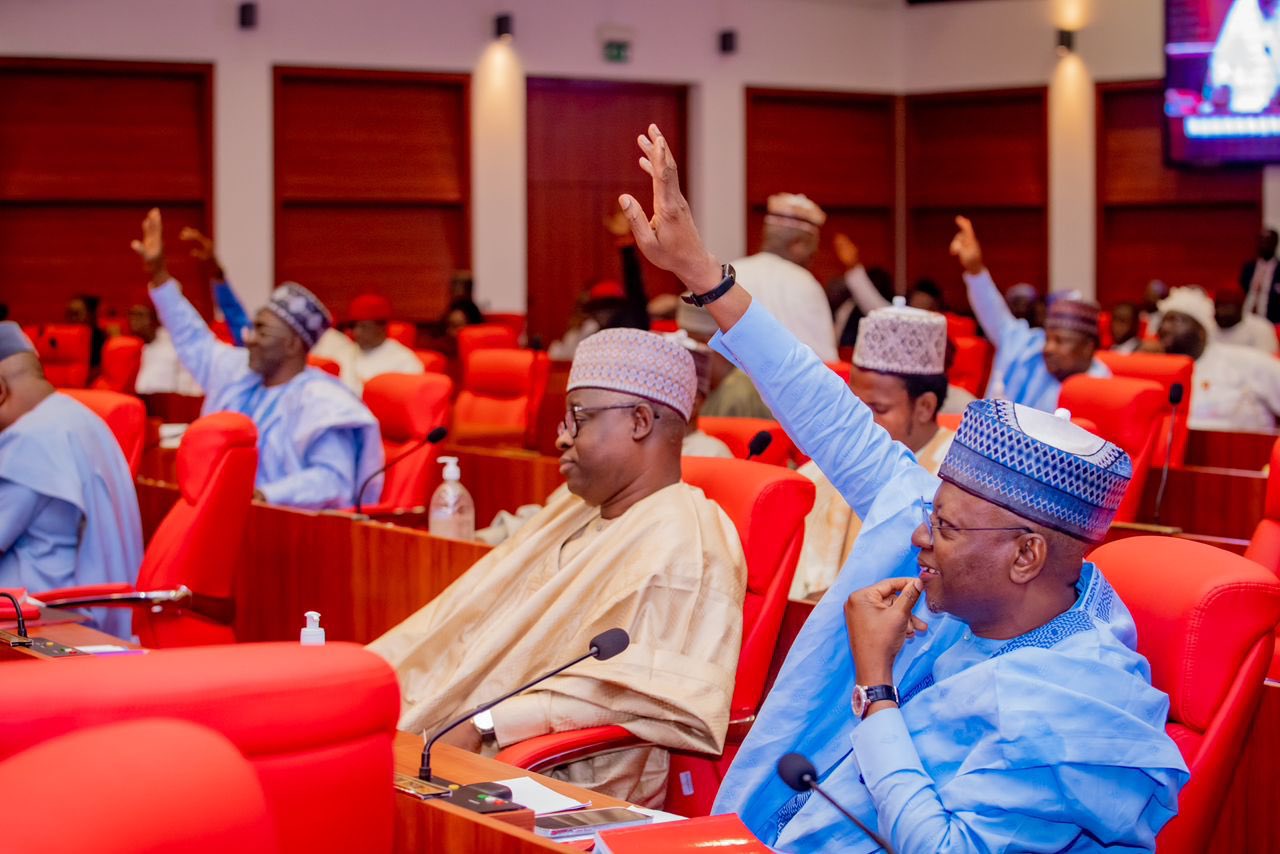
During the debate, Deputy Senate President Barau Jibrin commended the leadership and personnel of the Nigeria Customs Service for surpassing their revenue target while maintaining prudent spending. He said the agency’s strong performance justified the confidence placed in its leadership and expressed optimism that it could achieve the new ₦11.074 trillion target for 2026.
Following deliberations, the Senate approved both the proposed revenue target and expenditure estimates, clearing the way for the Customs Service to implement its 2026 financial plan.


By Derick Peretengboro
Amb. Tom Ebiakpo Willy has congratulated High Chief Engr. Kestin Pondi on his successful attainment of a Doctor of Philosophy (PhD) degree in Public Administration from the University of Benin.
In a congratulatory message, Amb. Willy described the academic achievement as well deserved, noting that it reflects Pondi’s dedication to knowledge acquisition, excellence and service to humanity.
He said the milestone should serve as an inspiration for greater contributions to leadership, societal development and the advancement of the Niger Delta and the wider society.
“Congratulations, High Chief Engr. Kestin Pondi, on your well-deserved accomplishment of a PhD in Public Administration from the University of Benin,” Willy stated.
He further wished the newly conferred scholar continued success, expressing optimism that his academic accomplishment would strengthen his capacity to make meaningful contributions to leadership and development.
Amb. Willy concluded by congratulating High Chief Engr. Kestin Pondi once again on the significant academic milestone.
By: Miracle Orumor
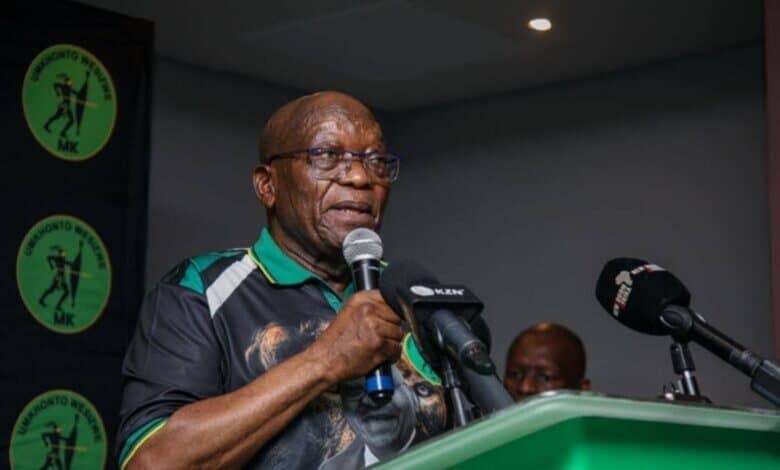
The uMkhonto weSizwe (MK) Party has stepped up preparations for the upcoming local government elections, unveiling its mayoral candidates and activating a dedicated election war room.
The move signals the party’s determination to mount a strong and coordinated campaign as political parties begin positioning themselves for control of key municipalities.
The MK Party said its selected candidates will spearhead its campaign at the local level, while the newly established war room will coordinate election strategies, monitor campaign activities and mobilise support across targeted areas.
Party leaders expressed confidence that the new campaign structure and mayoral candidates would strengthen the party’s presence and improve its chances at the polls.
With the local government elections approaching, the latest development places the MK Party firmly in campaign mode as it seeks to expand its political influence and challenge rival parties for control at the grassroots level.
By: Miracle Orumor
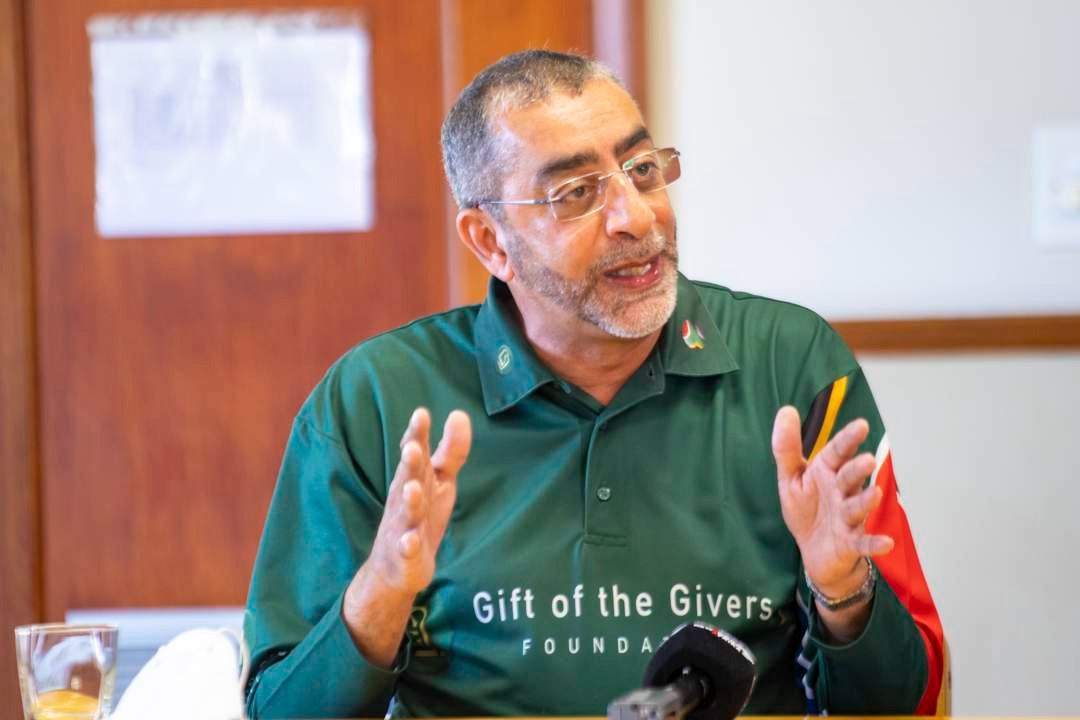
Humanitarian organisation Gift of the Givers says it is ready to step in and provide emergency assistance following devastating floods in Nepal, as the search continues for six South Africans who remain missing.
The severe flooding, triggered by heavy rainfall, has caused widespread destruction across parts of Nepal, leaving communities stranded, damaging infrastructure and complicating ongoing rescue operations.
Gift of the Givers has confirmed that it is closely monitoring the unfolding humanitarian crisis and remains on standby to provide assistance where needed.
Meanwhile, concern is growing over the fate of six South Africans who have yet to be located following the disaster. Search and rescue teams are continuing efforts to find those missing despite difficult weather conditions and challenging terrain.
The floods have left several communities facing uncertainty as emergency responders work to reach affected areas and assess the full scale of the destruction.
Authorities are expected to provide further updates as rescue operations continue and efforts intensify to locate survivors.
The unfolding disaster once again highlights the growing threat posed by extreme weather events and the devastating impact they can have on vulnerable communities.
-

 Social2 months ago
NAIS – Northern Nigeria/Abuja Chapter Honours Amb. Ebi Lagos with Award of Recognition
-
 Breaking3 months ago
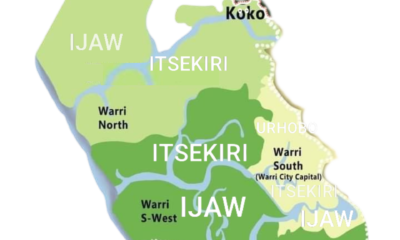
2027: INEC Alegedly Announces Plans to Conduct Party Primaries in the Newly Created State Constituencies in Warri North and Warri Southwest LGAs, Others
-

 News1 month ago
PAP: EX-AGITATORS OF BOYLOAF CAMP DISTANCE SELVES FROM THEIR LEADERS ONSLAUGHT ON THE PAP ADMINISTRATOR
-

 Local News4 months ago
Just In: Ambassador Podoki Emerges APP Candidate for Burutu Constituency-I Assembly Seat
-
 Politics3 months ago
2027: Mulade Challenges NDC’s Substitution of His Party Candidacy, Demands ₦5 Billion Damages
-
 Breaking3 months ago
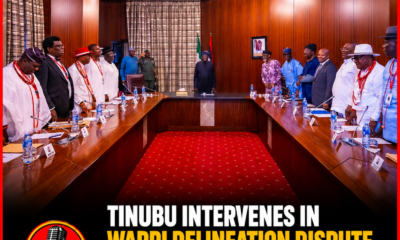
Tinubu Intervenes in Warri Delineation Dispute, Meets Ijaw, Urhobo and Itsekiri Leaders
-
 Local News4 months ago
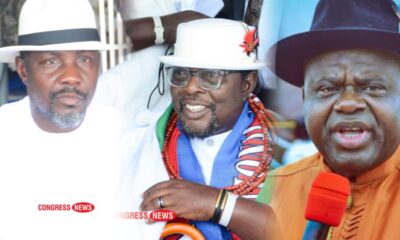
INC: Group Faults Sponsored Attacks on Tompolo, Igbadiwei, Urges Unity in Ijaw Nation
-

 Entertainment2 months ago
JKing Logistics Coordinator Shed Light to Address Ijaw Music Wage Controversy