
News
2027: Growing Concerns Over INEC’s Readiness as Court Rulings and Political Tensions Test Electoral Credibility

By Rukevwe odeh
With less than a year until Nigeria’s 2027 general elections, anxiety is increasing among political stakeholders, civil society groups, and voters regarding the ability of the Independent National Electoral Commission (INEC) to conduct a transparent, free, and credible electoral process. Concerns stem from a combination of conflicting court judgments, disputes involving political parties, and declining public trust in democratic institutions.
Recent legal battles, particularly court decisions affecting the status of some opposition parties, have intensified debate over the stability of Nigeria’s electoral framework. Observers argue that contradictory judicial pronouncements could create uncertainty in the lead-up to candidate nominations, party registration matters, and election preparations. Such developments, they warn, may undermine confidence in the electoral process and raise questions about the predictability of the political environment.
Political analysts have expressed concern that prolonged litigation and inconsistent rulings could distract INEC from its primary responsibility of organizing elections. They argue that unresolved legal disputes involving political parties may complicate election planning, create confusion among voters, and increase the likelihood of post-election controversies. Calls have therefore intensified for judicial reforms aimed at reducing conflicting judgments and ensuring faster resolution of election-related cases.
Despite the criticism, INEC has maintained that it remains neutral and committed to delivering credible elections. The commission insists that it has no affiliation with any political party and continues to strengthen measures designed to protect electoral integrity. Officials point to technological innovations such as the Bimodal Voter Accreditation System (BVAS) and the electronic publication of polling-unit results as evidence of efforts to enhance transparency and reduce electoral malpractice.
Experts remain divided on the impact of judicial intervention in electoral matters. While some argue that frequent court involvement weakens the independence of electoral institutions, others maintain that judicial oversight is a constitutional safeguard necessary for accountability and the protection of democratic principles. Legal practitioners note that courts have a legitimate role in resolving disputes involving political parties and election administration, provided such interventions remain within constitutional boundaries.
Beyond legal disputes, broader concerns about Nigeria’s democratic landscape continue to shape discussions ahead of the polls. Analysts have highlighted issues such as voter apathy, insecurity, political defections, and perceptions of institutional bias as factors that could affect public confidence in the election process. They warn that unless these challenges are addressed, citizens may become increasingly skeptical about the value of their votes.
Stakeholders are also urging political parties to strengthen internal democracy and improve dispute-resolution mechanisms to reduce the number of conflicts that eventually end up in court. According to governance experts, many of the legal battles threatening election preparations originate from disagreements over party leadership, candidate selection processes, and internal party affairs.
As preparations for the 2027 elections gather momentum, pressure is mounting on INEC, the judiciary, security agencies, and political actors to protect the integrity of the democratic process. Observers believe that transparent institutions, timely legal decisions, and responsible political conduct will be critical in ensuring that the elections reflect the genuine will of Nigerians.
With memories of previous electoral controversies still fresh, many citizens are watching closely to see whether the country’s democratic institutions can rise to the challenge and deliver an election that inspires confidence both locally and internationally. The coming months are expected to serve as a major test of Nigeria’s commitment to democratic governance and electoral accountability.







By Reporter Agregor Ebiboere Immaculate
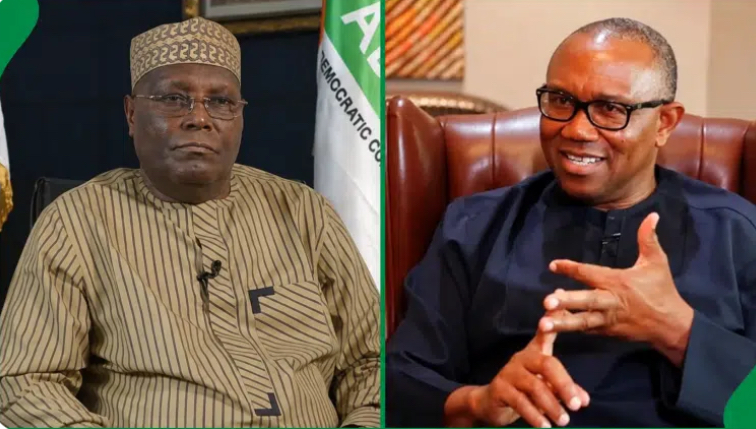
The proposed mega opposition coalition ahead of the 2027 general elections has triggered fresh debate over who should emerge as the presidential candidate between former Vice President Atiku Abubakar of the African Democratic Congress (ADC) and former Anambra State Governor Peter Obi of the Nigeria Democratic Congress (NDC).
The debate followed a call by the G100 coalition for opposition parties and political figures to unite behind a single candidate in an effort to challenge President Bola Ahmed Tinubu in the 2027 presidential election.
However, the major challenge confronting the proposed alliance remains the question of which of the two leading opposition figures should step down.
Obi, speaking in a recent interview with ARISE Television, said he could not unilaterally withdraw his presidential ambition in favour of Atiku.
According to him, any political arrangement involving the opposition must go beyond the individual candidates and involve the political parties concerned.
The issue has become particularly significant because Atiku and Obi previously appeared on the same presidential ticket in 2019 before contesting separately in the 2023 presidential election.
Atiku is widely regarded by his supporters as having extensive political experience, a nationwide political network and strong structures, particularly across Northern Nigeria.
Obi, on the other hand, has maintained a strong support base among young Nigerians and voters seeking political and economic reforms.
The disagreement over who should step aside has therefore become one of the major obstacles to efforts to build a single opposition platform ahead of 2027.
Calls for Atiku to Step Down
The NDC vice-presidential candidate, Rabiu Kwankwaso, had earlier called on Atiku to withdraw from the presidential race to facilitate a broader opposition arrangement.
The call, however, attracted criticism from some members of the ADC and the All Progressives Congress (APC).
ADC chieftain Chille Igbawua described the appeal as inappropriate and questioned suggestions that Atiku should withdraw because of his age or other personal considerations.
Meanwhile, Chief Promoter of the Alternative Movement, Segun Showunmi, has criticised the renewed push for candidates to step down at this stage of the political process.
Showunmi argued that the time for negotiating such an arrangement was before the various parties produced their presidential candidates.
He maintained that asking either Atiku or Obi to withdraw after their respective political structures had already been established could create further disagreements within the opposition.
According to him, both candidates have invested considerable time, resources and political effort in their presidential ambitions.
He also questioned how an agreement at the presidential level would affect candidates contesting for governorship, Senate and House of Representatives seats under the various parties.
Coalition Challenge
Showunmi further argued that the opposition coalition had already gone through several stages of negotiations and that the emergence of different presidential candidates had made a last-minute arrangement more complicated.
He said the proposed alliance would require clear agreements on issues such as the presidential candidate and power-sharing arrangements before the formation of a coalition.
The debate also comes as other opposition figures continue to pursue their own political ambitions ahead of 2027.
The central question now remains whether Atiku and Obi, alongside their respective political structures, can reach an agreement capable of producing a single presidential candidate.
With the 2027 election approaching, the outcome of the coalition discussions could have significant implications for the opposition’s strategy and the shape of the presidential contest.
For now, neither Atiku nor Obi has publicly announced a decision to withdraw from the presidential race in favour of the other
By staff Reporter Rukevwe Odeh
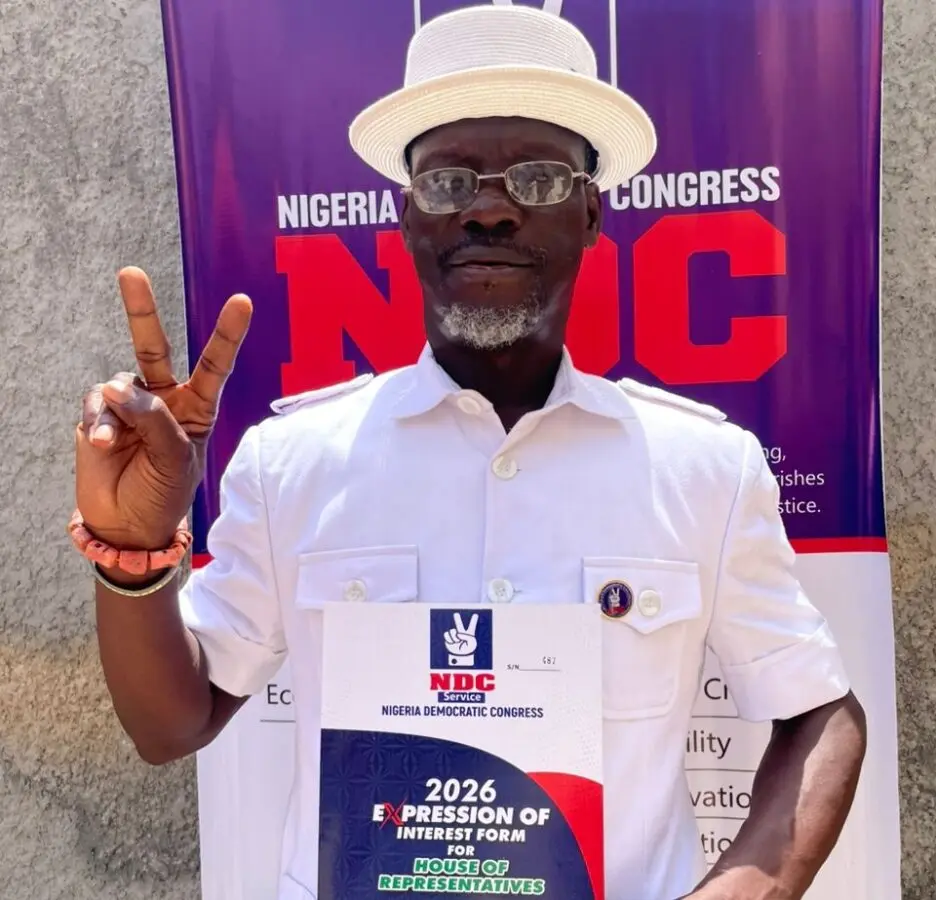
A group of stakeholders in Warri has announced its decision to withdraw support for the incumbent member representing the Warri Federal Constituency in the House of Representatives, Hon. Thomas Ereyitomi, ahead of the 2027 general elections.
The group, while explaining its position, cited what it described as dissatisfaction with the lawmaker’s performance and representation of the constituency.
The stakeholders subsequently declared their support for Comrade Jude Ukori Mulade as their preferred candidate for the 2027 House of Representatives election.
According to the group, its decision followed concerns over the level of representation and development delivered to the constituency under the current administration.
The stakeholders said they were seeking a representative who would be more responsive to the needs of the people and more committed to advancing issues affecting residents across the constituency.
They urged other political stakeholders and eligible voters in Warri to consider Mulade’s candidacy as the 2027 elections approach.
The group’s endorsement adds to the growing political activities and realignments expected to shape the contest for the Warri Federal Constituency seat ahead of the 2027 general elections.
Ereyitomi, who currently represents the constituency in the House of Representatives, has yet to publicly respond to the allegations contained in the group’s statement.

By staff Reporter Rukevwe Odeh
Residents and road users along the Warri Airport Road, particularly the section near Federal Government College in Warri South Local Government Area of Delta State, have continued to contend with recurring flooding despite years of road construction and rehabilitation efforts.
The affected stretch is frequently submerged following heavy rainfall, with inadequate drainage identified as a major factor contributing to the persistent flooding.
The recurring situation has raised concerns among motorists, residents and other road users, who say the condition of the road continues to disrupt movement and create difficulties for commuters whenever there is significant rainfall.
The development has also renewed calls for attention to the drainage system along the route, with residents hoping that a lasting solution will be implemented to prevent the road from repeatedly becoming flooded.
-

 Social2 months ago
NAIS – Northern Nigeria/Abuja Chapter Honours Amb. Ebi Lagos with Award of Recognition
-
 Breaking3 months ago
2027: INEC Alegedly Announces Plans to Conduct Party Primaries in the Newly Created State Constituencies in Warri North and Warri Southwest LGAs, Others
-

 News1 month ago
PAP: EX-AGITATORS OF BOYLOAF CAMP DISTANCE SELVES FROM THEIR LEADERS ONSLAUGHT ON THE PAP ADMINISTRATOR
-

 Local News4 months ago
Just In: Ambassador Podoki Emerges APP Candidate for Burutu Constituency-I Assembly Seat
-
 Politics3 months ago
2027: Mulade Challenges NDC’s Substitution of His Party Candidacy, Demands ₦5 Billion Damages
-
 Breaking3 months ago
Tinubu Intervenes in Warri Delineation Dispute, Meets Ijaw, Urhobo and Itsekiri Leaders
-
 Local News4 months ago
INC: Group Faults Sponsored Attacks on Tompolo, Igbadiwei, Urges Unity in Ijaw Nation
-
 Entertainment2 months ago
JKing Logistics Coordinator Shed Light to Address Ijaw Music Wage Controversy