
News
EDITORIAL: Beyond Certificates—Why Nigeria Must Prioritise Skills and Competence


By Rukevwe Odeh
A thought-provoking commentary recently attributed to the Executive Secretary of the National Board for Technical Education (NBTE), Professor Idris Bugaje, has reignited an important national conversation about the true purpose of education in Nigeria. Whether viewed as an opinion piece or a policy reflection, its central message deserves serious attention: the country must move beyond celebrating certificates alone and place greater value on practical skills, innovation and problem-solving.
For decades, Nigeria has encouraged millions of young people to follow a predictable educational path—primary school, secondary school, university and the National Youth Service Corps (NYSC)—with the expectation that academic qualifications would naturally lead to employment and financial security. Unfortunately, the reality confronting many graduates tells a different story.
Today, thousands of degree holders struggle to secure jobs in an increasingly competitive labour market. Every recruitment exercise attracts overwhelming numbers of applicants for only a handful of vacancies, leaving many qualified candidates disappointed. This situation is not necessarily a reflection of intelligence or determination but of a widening disconnect between educational outcomes and the practical needs of the economy.
The message conveyed in the commentary is simple yet profound: education should equip people not only to pass examinations but also to solve real-world problems. Employers, businesses and society ultimately reward competence, creativity and productivity more than certificates displayed on office walls.
The comparison between university graduates and skilled artisans illustrates this reality. Electricians, plumbers, welders, mechanics, fabricators, software developers and other technical professionals often provide indispensable services that sustain homes, industries and businesses. Their expertise addresses immediate needs, and many have built thriving careers and enterprises through practical knowledge and experience.
This should never be interpreted as diminishing the value of university education. Nigeria requires doctors, engineers, lawyers, teachers, researchers, economists and other professionals to drive national development. However, academic learning and vocational skills should complement one another rather than compete for social recognition.
Countries with strong industrial economies have long recognised this balance. Their educational systems combine theoretical knowledge with practical training, apprenticeships, innovation and technical education. As a result, they produce graduates who are capable of creating jobs, developing technology and contributing meaningfully to economic growth.
Nigeria can learn from these examples by strengthening technical and vocational education, modernising apprenticeship systems, encouraging entrepreneurship and ensuring that higher institutions integrate practical skills into their curricula. Equally important is changing societal attitudes that often place university degrees above vocational qualifications, regardless of competence.
Parents also have a role to play. Success should no longer be measured solely by admission into universities but by a child’s ability to acquire skills that create value and provide sustainable livelihoods. Government, educational institutions, industries and the private sector must equally collaborate to align education with the demands of today’s economy.
Ultimately, the future belongs to individuals who can identify problems and provide effective solutions. Certificates remain valuable as evidence of learning, but competence is what transforms knowledge into economic opportunity and national development.
As Nigeria seeks sustainable economic growth and reduced unemployment, the country must invest not only in producing more graduates but also in producing more innovators, technicians, entrepreneurs and skilled professionals capable of driving industrialisation and creating wealth.
The challenge before the nation is therefore not merely educational—it is strategic. A balanced system that values both academic excellence and practical competence offers Nigeria its best chance of unlocking the immense potential of its youthful population.

By Rukevwe Odeh
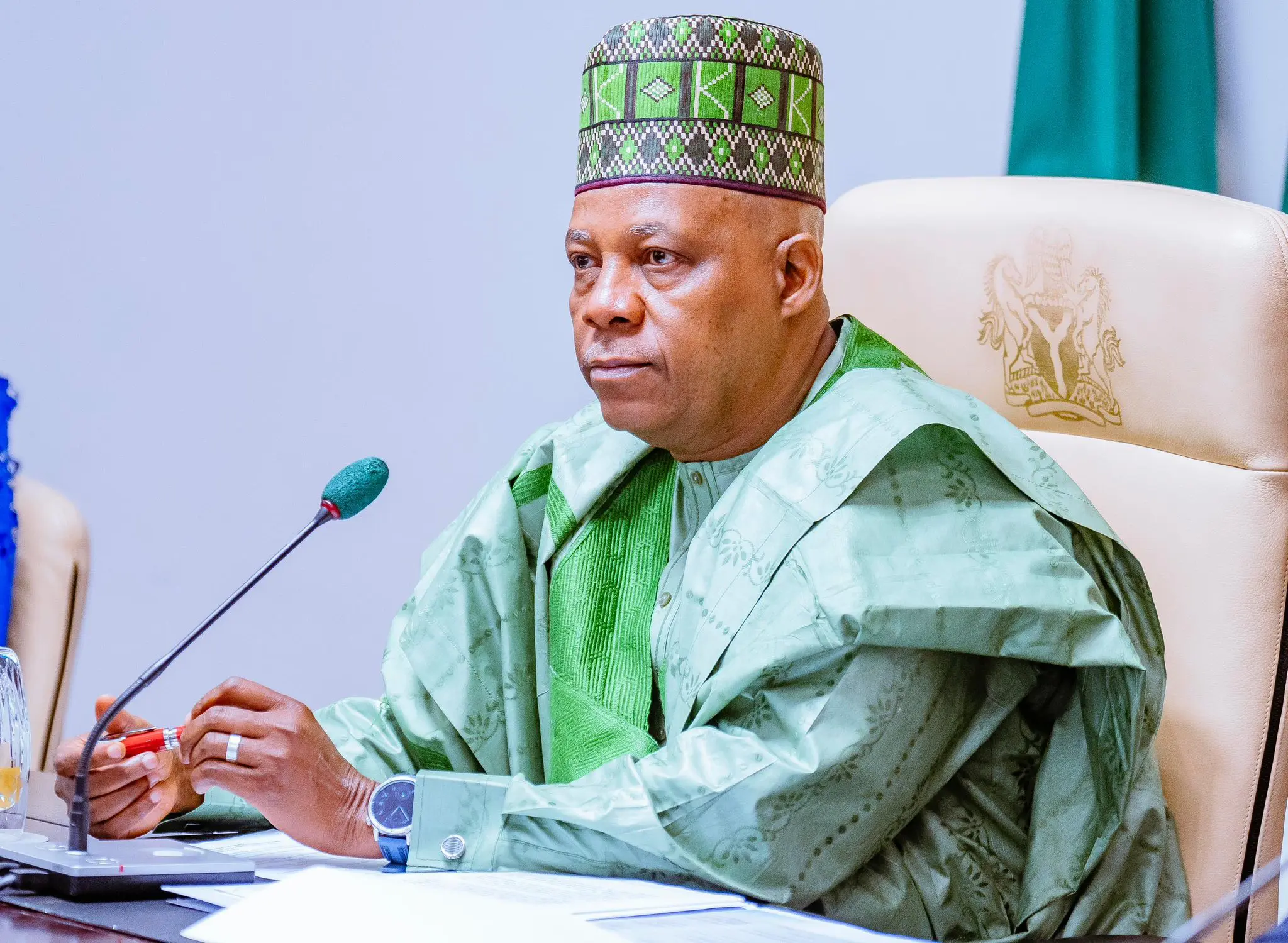
Vice President Kashim Shettima has commenced a two-week leave after receiving approval from President Bola Tinubu, marking his first official vacation since the current administration took office on May 29, 2023.
According to a statement issued by the Presidency, the leave, which began on Thursday, August 6, will be dedicated to study, personal reflection and intellectual development aimed at strengthening the Vice President’s capacity for public service.
The statement explained that the break will allow Shettima to review the administration’s ongoing programmes, deepen his understanding of emerging national and international policy issues, and prepare for the next phase of implementing the Federal Government’s Renewed Hope Agenda.
Since taking office, Shettima has played a prominent role in coordinating several government initiatives, including programmes focused on economic growth, food security, humanitarian affairs, digital innovation, job creation and regional collaboration.
As Chairman of the National Economic Council (NEC), the Vice President has continued to lead discussions involving state governors, the Central Bank Governor and other senior government officials on key economic and development issues affecting the country.
He has also represented President Tinubu at several regional and international meetings, where he has promoted Nigeria’s interests in areas such as investment, peace and security, climate action and economic cooperation.
The Presidency reaffirmed that Shettima remains committed to supporting President Tinubu’s administration and is expected to return to his official duties after the two-week leave with renewed energy and focus.
By Derick Peretengboro
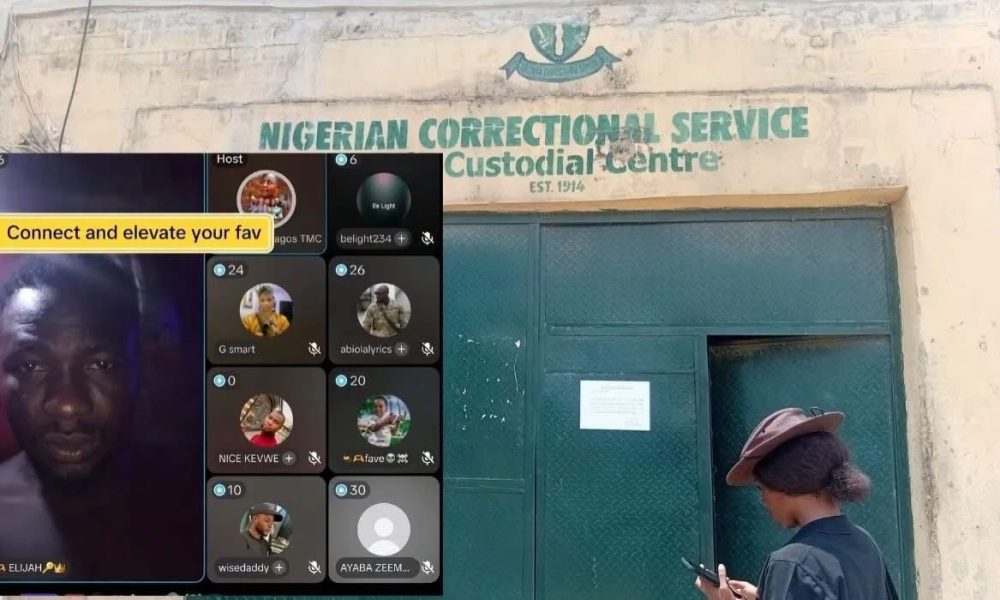
The Nigerian Correctional Service (NCoS) has removed the officer in charge of the Ibara Medium Custodial Centre in Abeokuta, Ogun State, along with two other senior officials, following a security breach that saw a death row inmate conduct a live broadcast on TikTok from inside the facility.
In a statement released on Thursday, the Controller-General of Corrections, Sylvester Nwakuche, described the incident as a grave violation of custodial security and confirmed that immediate disciplinary measures had been taken while investigations continue.
According to the Service, preliminary findings showed that the inmate illegally obtained a mobile phone, which was later recovered during a search operation and retained as evidence. The inmate has since been transferred to another correctional facility with tighter security arrangements pending the outcome of the investigation.
The NCoS said the removal of the three officers is a temporary administrative action aimed at ensuring a fair, transparent and unhindered investigation. It stressed that the decision does not amount to a final determination of their culpability.
The Service added that inquiries are ongoing to establish whether any correctional personnel, inmates or external collaborators were involved in facilitating the security breach. It warned that anyone found guilty of negligence, complicity or any role in the incident would face appropriate disciplinary sanctions in line with existing regulations.
Nwakuche noted that the incident has further highlighted the need to strengthen security measures across correctional centres nationwide. He reaffirmed the agency’s commitment to implementing reforms that will prevent the smuggling of prohibited items into custodial facilities and safeguard the integrity of the correctional system.
The Nigerian Correctional Service also appealed to the public to avoid speculation while investigations are ongoing, assuring Nigerians that it remains committed to ensuring the safe, secure and humane custody of all inmates under its care.

By Derick Peretengboro
The Economic and Financial Crimes Commission (EFCC) has clarified the reasons behind its decision to place restrictions on certain bank accounts belonging to the Osun State Government, stating that the move was part of an ongoing investigation into suspected financial irregularities.
According to the anti-graft agency, the accounts were frozen to safeguard public funds and prevent any possible diversion while investigations continue. The commission maintained that its action was based on legal authority and was not influenced by the forthcoming governorship election in the state.
The EFCC also disclosed that Osun is not the only state under scrutiny, noting that it is monitoring the financial activities of several state governments where suspicious transactions have been identified. The commission urged Nigerians to disregard claims that the action was politically motivated, insisting that its operations are guided solely by its mandate to protect public resources.
The explanation followed criticism from the Osun State Government after Governor Ademola Adeleke questioned the legality of the account freeze and demanded that the EFCC publicly justify its decision. The governor argued that the action was taken without obtaining a court order and directed the state’s legal team to challenge the development in court.
Responding to allegations that about ₦11 billion had been looted from the state’s coffers, the Osun State Government denied any wrongdoing. State officials insisted that no public funds had been misappropriated and described the allegations as false, maintaining that government resources had been deployed for infrastructure, workers’ welfare and other developmental projects.
The disagreement has further heightened tensions between the state government and the anti-corruption agency, with both sides standing firmly by their positions as legal proceedings are expected to determine the next steps.
-
 Breaking2 months ago
2027: INEC Alegedly Announces Plans to Conduct Party Primaries in the Newly Created State Constituencies in Warri North and Warri Southwest LGAs, Others
-

 Local News2 months ago
Just In: Ambassador Podoki Emerges APP Candidate for Burutu Constituency-I Assembly Seat
-

 Politics2 months ago
2027: Mulade Challenges NDC’s Substitution of His Party Candidacy, Demands ₦5 Billion Damages
-
 Breaking2 months ago
Tinubu Intervenes in Warri Delineation Dispute, Meets Ijaw, Urhobo and Itsekiri Leaders
-
 Local News3 months ago
INC: Group Faults Sponsored Attacks on Tompolo, Igbadiwei, Urges Unity in Ijaw Nation
-
 Breaking2 months ago
Confirmed: INEC Announces Implementation of Warri Delineation Report, Restores Other Constinuencies
-

 Entertainment4 weeks ago
JKing Logistics Coordinator Shed Light to Address Ijaw Music Wage Controversy
-
 News2 months ago
Arogbo Kingdom Petitions EFCC Over Abandoned NDDC Bridge Project