
News
FG Accelerates Digital Identity Integration to Strengthen Healthcare Delivery

By Rukevwe Odeh
The Federal Government has stepped up efforts to integrate a trusted digital identity system into Nigeria’s healthcare sector as part of its ongoing reforms aimed at improving service delivery and achieving Universal Health Coverage (UHC) by 2030.
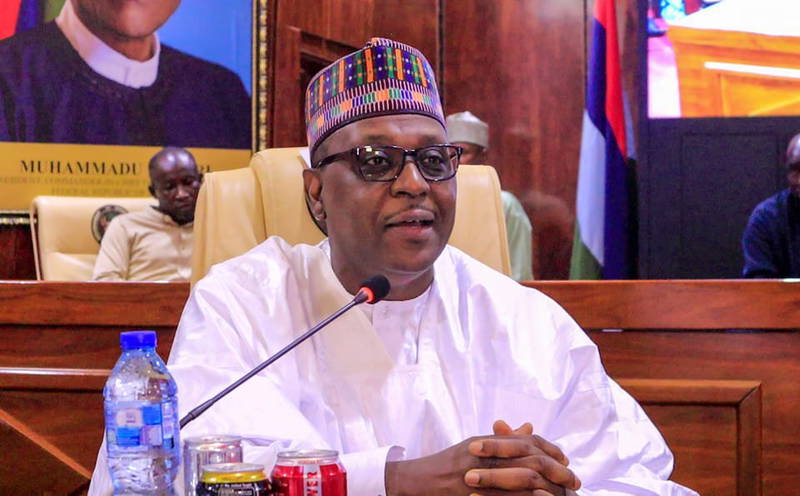
The initiative was disclosed by the Federal Ministry of Health and Social Welfare following a strategic meeting between the Coordinating Minister of Health and Social Welfare, Prof. Muhammad Ali Pate, and the Director-General of the National Identity Management Commission (NIMC), Engr. Abisoye Coker-Odusote. The discussions focused on implementing opportunities created by the recently enacted NIMC Act, 2025.
Prof. Pate described the legislation as a major milestone that provides a stronger legal foundation for a secure and reliable digital identity system. He noted that the reform aligns with President Bola Tinubu’s Renewed Hope Agenda and is expected to support the country’s digital health transformation.
According to the minister, integrating digital identity into healthcare will improve patient identification, enable seamless electronic medical records, strengthen disease surveillance, and support better planning and decision-making across the health sector. It is also expected to simplify enrolment and verification for the National Health Insurance programme, thereby expanding access to healthcare services for millions of Nigerians.
Pate revealed that Nigeria records approximately 45 million patient visits every quarter at revitalised Primary Healthcare Centres. He said adopting a trusted digital identity system would improve efficiency while ensuring the security and privacy of citizens’ personal information.
To ensure smooth implementation, the minister directed the establishment of a joint technical working group involving the Ministry of Health, NIMC, the Health Data and Digital Health Coordination Office, and other relevant agencies. The team will coordinate implementation, monitor progress, and develop performance dashboards to support evidence-based decisions.
He further stressed that the digital identity initiative must remain inclusive by ensuring that all Nigerians, including persons living with disabilities, have equal access to the system.
In her remarks, Coker-Odusote reaffirmed NIMC’s commitment to collaborating with the health ministry to provide the digital infrastructure needed to support healthcare reforms. She stated that the new NIMC Act offers a solid framework for secure authentication, interoperability, and trusted digital services across government institutions.
The ministry added that the collaboration reflects the Federal Government’s commitment to building a more connected, efficient, and technology-driven healthcare system capable of delivering quality services to all Nigerians while advancing the country’s Universal Health Coverage goals.

By staff Reporter Rukevwe Odeh
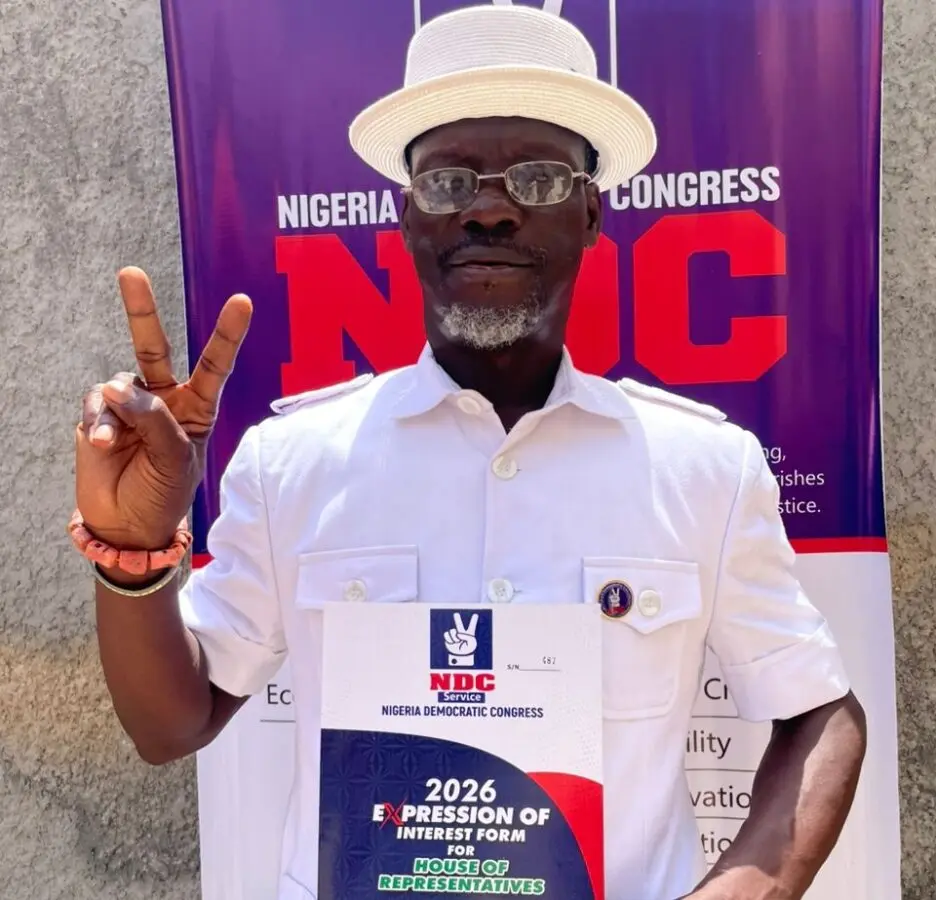
A group of stakeholders in Warri has announced its decision to withdraw support for the incumbent member representing the Warri Federal Constituency in the House of Representatives, Hon. Thomas Ereyitomi, ahead of the 2027 general elections.
The group, while explaining its position, cited what it described as dissatisfaction with the lawmaker’s performance and representation of the constituency.
The stakeholders subsequently declared their support for Comrade Jude Ukori Mulade as their preferred candidate for the 2027 House of Representatives election.
According to the group, its decision followed concerns over the level of representation and development delivered to the constituency under the current administration.
The stakeholders said they were seeking a representative who would be more responsive to the needs of the people and more committed to advancing issues affecting residents across the constituency.
They urged other political stakeholders and eligible voters in Warri to consider Mulade’s candidacy as the 2027 elections approach.
The group’s endorsement adds to the growing political activities and realignments expected to shape the contest for the Warri Federal Constituency seat ahead of the 2027 general elections.
Ereyitomi, who currently represents the constituency in the House of Representatives, has yet to publicly respond to the allegations contained in the group’s statement.

By staff Reporter Rukevwe Odeh
Residents and road users along the Warri Airport Road, particularly the section near Federal Government College in Warri South Local Government Area of Delta State, have continued to contend with recurring flooding despite years of road construction and rehabilitation efforts.
The affected stretch is frequently submerged following heavy rainfall, with inadequate drainage identified as a major factor contributing to the persistent flooding.
The recurring situation has raised concerns among motorists, residents and other road users, who say the condition of the road continues to disrupt movement and create difficulties for commuters whenever there is significant rainfall.
The development has also renewed calls for attention to the drainage system along the route, with residents hoping that a lasting solution will be implemented to prevent the road from repeatedly becoming flooded.
By staff Reporter: Rukevwe Odeh
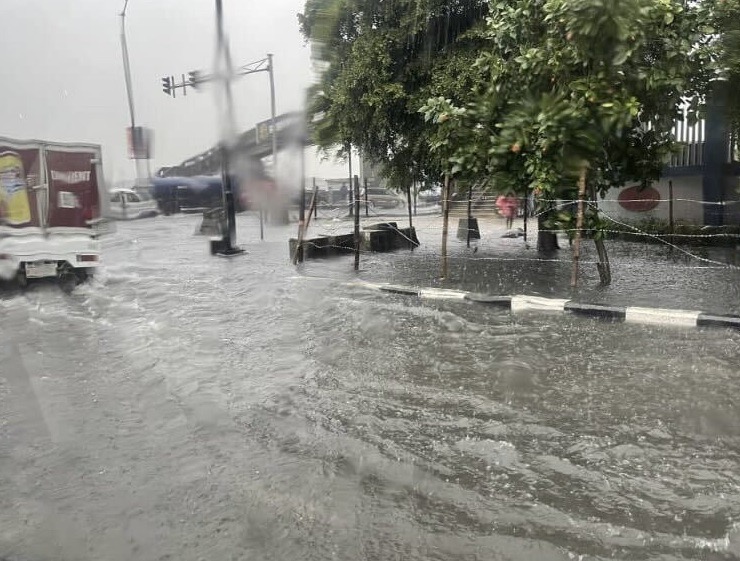
A heavy downpour has left the popular NNPC Housing Complex Road, also known as Ekpan Link Road, submerged in floodwater in Uvwie Local Government Area of Delta State.
The rainfall caused significant water accumulation along the busy road, affecting movement and creating difficulties for motorists and other road users.
The condition of the road has renewed concerns over flooding and drainage challenges in the area, particularly during periods of heavy rainfall.
Residents and commuters are expected to exercise caution while using the affected route as efforts to manage the situation continue.
-

 Social2 months ago
NAIS – Northern Nigeria/Abuja Chapter Honours Amb. Ebi Lagos with Award of Recognition
-
 Breaking3 months ago
2027: INEC Alegedly Announces Plans to Conduct Party Primaries in the Newly Created State Constituencies in Warri North and Warri Southwest LGAs, Others
-

 News1 month ago
PAP: EX-AGITATORS OF BOYLOAF CAMP DISTANCE SELVES FROM THEIR LEADERS ONSLAUGHT ON THE PAP ADMINISTRATOR
-

 Local News4 months ago
Just In: Ambassador Podoki Emerges APP Candidate for Burutu Constituency-I Assembly Seat
-
 Politics3 months ago
2027: Mulade Challenges NDC’s Substitution of His Party Candidacy, Demands ₦5 Billion Damages
-
 Breaking3 months ago
Tinubu Intervenes in Warri Delineation Dispute, Meets Ijaw, Urhobo and Itsekiri Leaders
-
 Local News4 months ago
INC: Group Faults Sponsored Attacks on Tompolo, Igbadiwei, Urges Unity in Ijaw Nation
-

 Entertainment2 months ago
JKing Logistics Coordinator Shed Light to Address Ijaw Music Wage Controversy