
News
IYC Urges Tinubu to Retain Pipeline Surveillance Contract

By staff reporter Rukevwe Odeh
The Ijaw Youth Council (IYC) Worldwide has appealed to President Bola Ahmed Tinubu to disregard a recent request seeking the cancellation of a pipeline surveillance contract involving Seven Oceans Oil and Gas Limited, Kojo Sam Logistics Limited and Labrador Security Outfit.
The position was contained in a statement signed by the council’s National Spokesman, Comrade Victor Ibaningo, in response to an open letter published in the media on September 3, 2026, by one Kelly Nengimote, who had called for the revocation of the contract.
The IYC described the demand for cancellation as an allegation based on personal and political considerations, insisting that the companies should be assessed on their performance and contribution to pipeline security rather than unverified claims.
According to the council, Seven Oceans Oil and Gas has operated in the pipeline surveillance and oil and gas security sector for more than a decade. The group also claimed that the company had received several recognitions for its performance under the Tantita initiative.
The organisation further commended Kojo Sam Logistics and Labrador Security Outfit for what it described as the use of technology and effective management in supporting oil production and protecting critical infrastructure.
The IYC said available information before it did not indicate any reported pipeline sabotage along the lines or lots assigned to the companies.
On the political dimension of the controversy, the council rejected suggestions that the companies or their principals posed a threat to President Tinubu or the All Progressives Congress (APC). It noted that businessman Kojo Sam is an APC member in Bayelsa and serves as the Bayelsa East Coordinator of the PBAT Door-to-Door Movement.
The IYC also questioned whether the individual behind the call for revocation represented the broader opinion of the Ijaw people, arguing that the views expressed in the petition should not be interpreted as the collective position of the Ijaw community.
The council warned that removing the contractors without establishing clear evidence of wrongdoing could have implications for pipeline security, crude oil production and stability in parts of the Niger Delta.
It therefore appealed to the President and relevant government agencies, including the Office of the National Security Adviser, the Ministry of Defence, the Ministry of Petroleum Resources and Tantita Security Services Limited, to maintain the existing arrangement pending any credible evidence that may warrant a change.
The IYC reiterated its commitment to protecting the interests of Ijaw youths and called on stakeholders to avoid actions that could generate unnecessary tension or conflict in the Niger Delta.

By staff Reporter Rukevwe Odeh
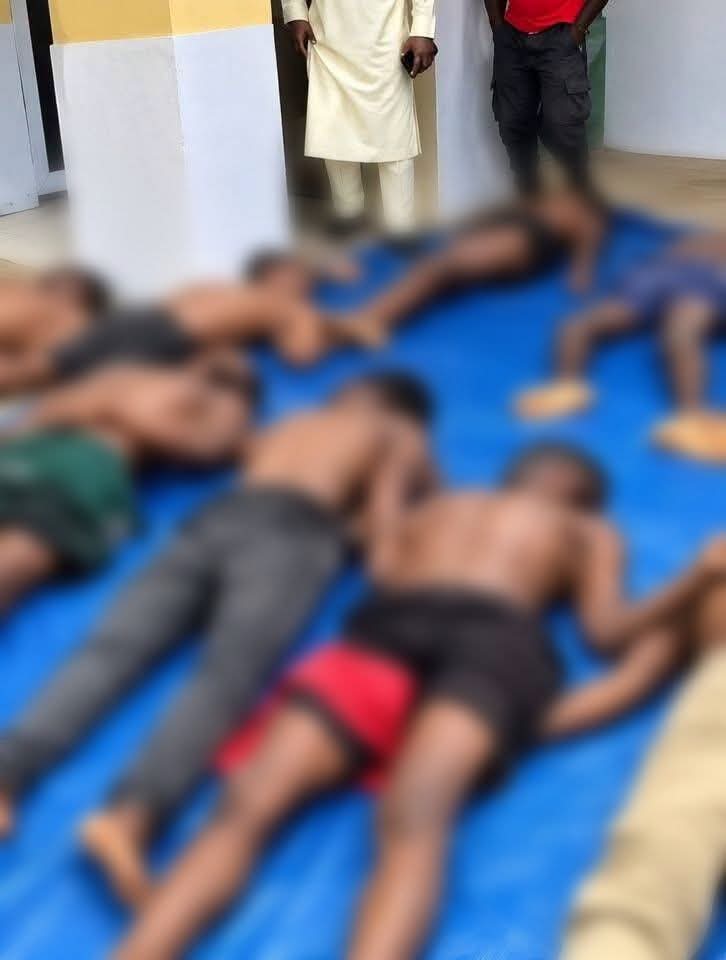
The Federal Government has suspended 20 personnel of the Nigeria Security and Civil Defence Corps (NSCDC) following the deaths of 37 suspected illegal miners who were being held in the Corps’ custody in Niger State.
The Minister of Interior, Olubunmi Tunji-Ojo, announced the suspension on Saturday, September 19, 2026, saying the affected officers would remain suspended pending the outcome of an independent investigation into the incident.
The move followed President Bola Tinubu’s directive for a comprehensive and transparent investigation into the deaths, which occurred on Thursday.
The suspended personnel include officers involved in the arrest, investigation, legal duties, station security and custodial responsibilities at the NSCDC facility.
They are SC Usman Isah Ndamaka, ASCI Hassan Mohammed, CCA Bala Mohammed, CSC Oluwadare Sunday, DCC Obafemi Elvis, CSC Annas Shitto Lamino, DCC Philip Ajayi, ACC Stephen Tsado, ASCI Alhassan Mohammed and IC Abdullahi Sale.
Others are IC Mohammed Sonfada, CAI Liman Abubakar, CAI Bala Usman, IC Mohammed Jiya, DSC Isah Suleiman, CAI Ahmed Wushishi, IC Sale Adamu, IC Haruna Mohammed, ASCI Aliyu Sallah and CAI Isah Sanusi.
10-member panel constituted
The Minister has also established a 10-member independent committee to examine the circumstances surrounding the deaths.
The committee is chaired by Jonathan Kure, a retired Deputy Director-General of the Department of State Services, while Prof. Isa Hayatu Chiroma, SAN, a former Director-General of the Nigerian Law School, serves as secretary.
Other members include retired AIG Hosea Hassan Karma; Prof. Olayinka Buhari, a professor of histopathology and former Chief Medical Director of the University of Ilorin Teaching Hospital; representatives of the Minna Emirate Council and Niger State Government; and Alhaji Liman Sulaiman of the Miners Association of Nigeria.
The panel also includes lawyer and human rights activist Deji Adeyanju, Blueprint journalist Zainab Suleiman Okino and public affairs analyst Dr George Agbakahi.
The committee is expected to establish the identities of the deceased and examine the circumstances surrounding their arrest and detention, as well as determine the cause of death.
It will also investigate possible responsibility, negligence, complicity or misconduct and make recommendations on appropriate action, compensation where applicable, and measures to prevent a recurrence.
The panel has been given two weeks to complete its assignment and submit its report to the Minister of Interior.
It may also invite additional experts, inspect relevant locations and facilities, examine documents and other evidence, and receive memoranda from members of the public.
Tunji-Ojo directed NSCDC authorities and all personnel connected with the matter to cooperate fully with the investigation and preserve all records and materials relevant to the case.
He further warned that any attempt to conceal evidence, intimidate witnesses or interfere with the investigation would be treated as a serious offence.
The minister expressed condolences to the families of those who died and appealed for calm as the investigation proceeds.
By staff Reporter Rukevwe Odeh
WARRI, Delta State — Stakeholders in Odidi Community, Warri South-West Local Government Area of Delta State, have reaffirmed Prince Preye Okrikpa as the Executive Chairman of the community amid an ongoing leadership dispute before the High Court of Justice in Warri.
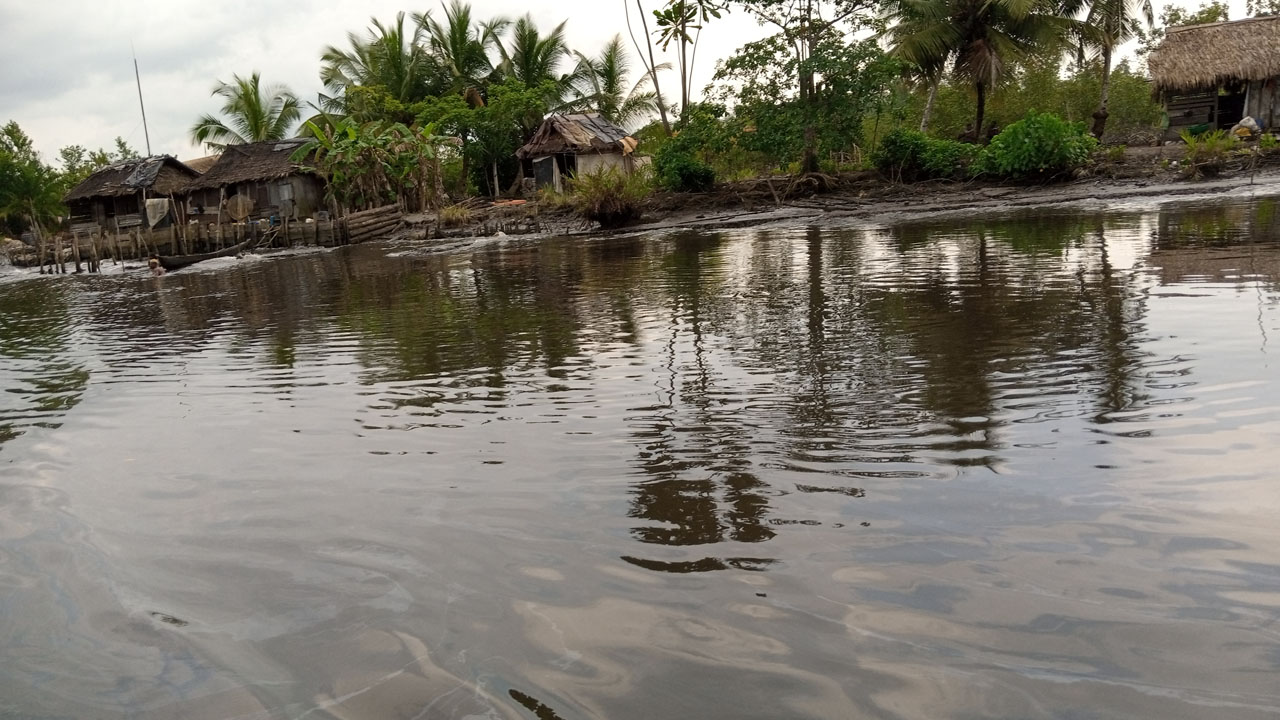
The stakeholders also expressed support for the intervention of the Ijaw Youth Council (IYC) Worldwide over the prolonged crude oil spill affecting communities around Oil Mining Lease (OML) 42.
In a statement signed by Clement Numah, Secretary of Odidi Community; Oyateide Joseph Hitler, Youth President; and Nancy Ikpidi, Women Leader, the stakeholders said Okrikpa remains the recognised chairman under the community’s internal processes.
They stated that a rival executive led by Truston Gbenekama is the subject of a pending court case, identified as Suit No. W/102/2026, and urged the media, government institutions and other organisations to exercise caution in identifying individuals as the final leadership of the community while the matter remains before the court.
According to the stakeholders, the pending litigation means that the leadership question should be left for judicial determination rather than being settled through public statements or media activities.
They further stressed that the leadership dispute should not be allowed to overshadow the environmental challenges confronting residents of Odidi.
The stakeholders commended IYC President, Dr. Doubra Collins Okotete, and the council’s leadership for drawing attention to the reported oil spill and its consequences for residents and the environment.
They said the pollution had reportedly affected aquatic life, fishing activities and the livelihoods of people within the affected areas, describing the intervention as an important step toward drawing attention to the situation.
The stakeholders called on Heritage Energy Operational Services Limited (HEOSL), the Nigerian National Petroleum Company Limited (NNPCL), the National Oil Spill Detection and Response Agency (NOSDRA), the Nigerian Upstream Petroleum Regulatory Commission (NUPRC) and other relevant authorities to act on the reported spill.
Their demands include immediate containment and investigation of the incident, environmental assessment and remediation, as well as consideration of legitimate compensation claims in line with applicable laws and procedures.
They also urged authorities to engage properly constituted community representatives during the response while respecting the ongoing court proceedings.
The stakeholders maintained that affected residents should not be denied appropriate relief because of the unresolved leadership dispute.
They urged IYC to sustain its intervention on environmental issues affecting Odidi and other Niger Delta communities.
The group concluded that while the leadership question should be determined by the court, the reported environmental concerns require urgent attention from government agencies, regulators and the relevant oil-sector operators.
By Agregor Ebiboere Immaculate
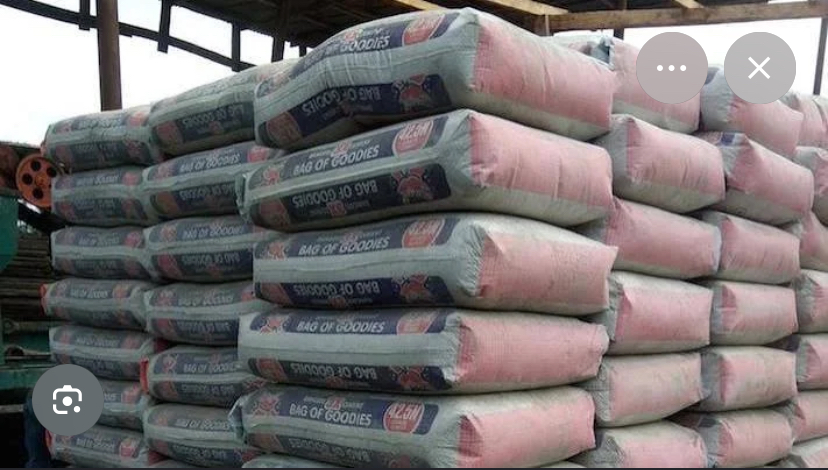
Nigeria’s cement industry is grappling with low domestic demand and rising production costs, even as industry stakeholders say the sector has significant potential for expansion.
The Chief Executive Officer of HBM Nigeria, Lolu Alade-Akinyemi, disclosed this at the Experiencing Panterra event in Lagos, where he noted that Nigeria’s per-capita cement consumption remains below 150 kilogrammes.
According to him, the figure is significantly lower than the estimated 500kg recorded in Egypt and about 700kg in South Africa.
Alade-Akinyemi, who was represented at the event by HBM’s General Manager, Readymix Concrete, Emmanuel Ilaboya, said cement manufacturers are currently operating at between 20 and 30 per cent of their production capacity.
He explained that the low capacity utilisation reflects weak demand but also indicates that there is considerable room for growth in Nigeria’s cement market.
The HBM chief identified foreign exchange pressures and high energy costs as some of the major factors contributing to the rising cost of cement production in the country.
He said several critical inputs required for cement and concrete production are imported, while the cost of locally produced gas and other oil-related inputs is also influenced by dollar-denominated pricing.
Alade-Akinyemi further identified unreliable electricity supply from the national grid as another major challenge confronting manufacturers.
He noted that cement companies are often compelled to construct and operate their own power plants, requiring substantial capital investment and adding to overall production costs.
However, he said the relative stability of the naira exchange rate over the past year has provided some relief, allowing manufacturers to forecast costs more effectively and improve operational planning.
Meanwhile, the Chief Executive Officer of Panterra, Tayo Odunsi, called for greater transparency in Nigeria’s real estate sector.
Odunsi said the industry currently lacks a standard repository of reliable information that investors and other stakeholders can easily access when making decisions.
Also speaking, Panterra’s Chief Investment Officer, Ayo Ibaru, said currency stability, improved access to financing, security and growing investments from Gulf, Turkish and Asian investors are influencing the development of West Africa’s real estate market.
Ibaru identified the $15.6 billion Abidjan-Lagos Corridor as another major opportunity capable of stimulating investment across the region.
According to him, the corridor, which will link five countries, could drive the development of industrial zones, port cities, logistics infrastructure and real estate along its route.
Stakeholders at the event emphasised the need for policies and investments that will reduce production costs, strengthen infrastructure and unlock the huge growth potential in Nigeria’s construction and real estate sectors.
-

 Social2 months ago
NAIS – Northern Nigeria/Abuja Chapter Honours Amb. Ebi Lagos with Award of Recognition
-
 Breaking3 months ago
2027: INEC Alegedly Announces Plans to Conduct Party Primaries in the Newly Created State Constituencies in Warri North and Warri Southwest LGAs, Others
-

 News1 month ago
PAP: EX-AGITATORS OF BOYLOAF CAMP DISTANCE SELVES FROM THEIR LEADERS ONSLAUGHT ON THE PAP ADMINISTRATOR
-

 Local News4 months ago
Just In: Ambassador Podoki Emerges APP Candidate for Burutu Constituency-I Assembly Seat
-
 Politics3 months ago
2027: Mulade Challenges NDC’s Substitution of His Party Candidacy, Demands ₦5 Billion Damages
-
 Breaking3 months ago
Tinubu Intervenes in Warri Delineation Dispute, Meets Ijaw, Urhobo and Itsekiri Leaders
-

 Local News4 months ago
INC: Group Faults Sponsored Attacks on Tompolo, Igbadiwei, Urges Unity in Ijaw Nation
-

 Entertainment2 months ago
JKing Logistics Coordinator Shed Light to Address Ijaw Music Wage Controversy