
News
NELFUND Investigates 34 Tertiary Institutions Over Delayed Student Refunds


By Rukevwe Odeh
The Nigerian Education Loan Fund (NELFUND) has opened investigations into 34 tertiary institutions following allegations that they failed to refund students whose tuition fees had already been paid before the agency released loan payments on their behalf.
NELFUND Managing Director, Akintunde Sawyerr, disclosed the development during an interview, explaining that the investigation was prompted by numerous complaints submitted by affected students. According to him, the agency is working with anti-corruption agencies, the National Association of Nigerian Students (NANS), internal auditors and other relevant stakeholders to determine the circumstances surrounding the alleged delays.
Sawyerr explained that the issue arose because the Federal Government directed the student loan programme to begin in the middle of an academic session. As a result, many students had already settled their tuition fees before NELFUND later paid the same fees directly to their institutions, leading to duplicate payments.
He stressed that institutions which received both the students’ payments and NELFUND’s disbursements are responsible for returning the excess funds to the affected students. While several schools have reportedly processed refunds, others are yet to do so, prompting the ongoing investigation.
The NELFUND boss noted that many beneficiaries borrowed money from parents, relatives or other sources to pay their fees before the loan scheme took effect, making the delayed refunds a significant financial burden.
To reduce similar issues in the future, Sawyerr said NELFUND is developing a token-based payment system that will enable students to authorise tuition payments directly to their institutions through their mobile devices, improving transparency and reducing the risk of duplicate payments.
He also reaffirmed that the agency pays tuition fees directly to schools rather than students to ensure the funds are used strictly for educational purposes. NELFUND, he added, remains committed to protecting students’ interests and strengthening accountability in the implementation of the Federal Government’s student loan programme.

By staff Reporter Rukevwe Odeh
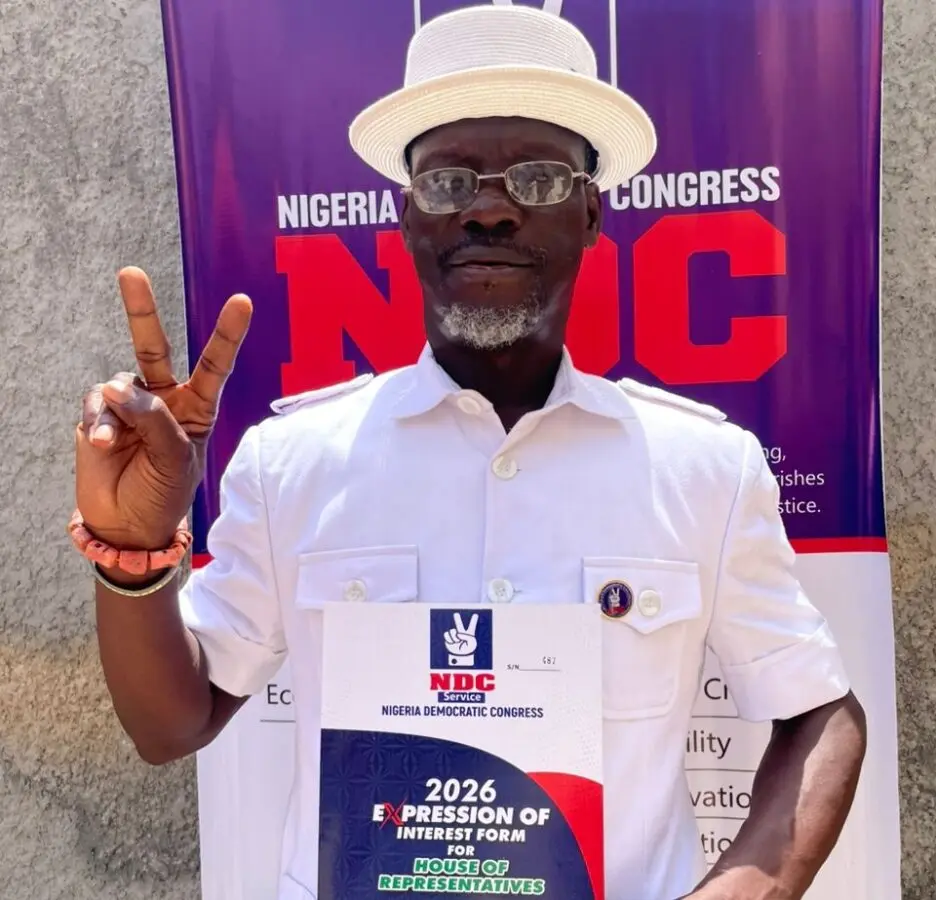
A group of stakeholders in Warri has announced its decision to withdraw support for the incumbent member representing the Warri Federal Constituency in the House of Representatives, Hon. Thomas Ereyitomi, ahead of the 2027 general elections.
The group, while explaining its position, cited what it described as dissatisfaction with the lawmaker’s performance and representation of the constituency.
The stakeholders subsequently declared their support for Comrade Jude Ukori Mulade as their preferred candidate for the 2027 House of Representatives election.
According to the group, its decision followed concerns over the level of representation and development delivered to the constituency under the current administration.
The stakeholders said they were seeking a representative who would be more responsive to the needs of the people and more committed to advancing issues affecting residents across the constituency.
They urged other political stakeholders and eligible voters in Warri to consider Mulade’s candidacy as the 2027 elections approach.
The group’s endorsement adds to the growing political activities and realignments expected to shape the contest for the Warri Federal Constituency seat ahead of the 2027 general elections.
Ereyitomi, who currently represents the constituency in the House of Representatives, has yet to publicly respond to the allegations contained in the group’s statement.
By staff Reporter Rukevwe Odeh
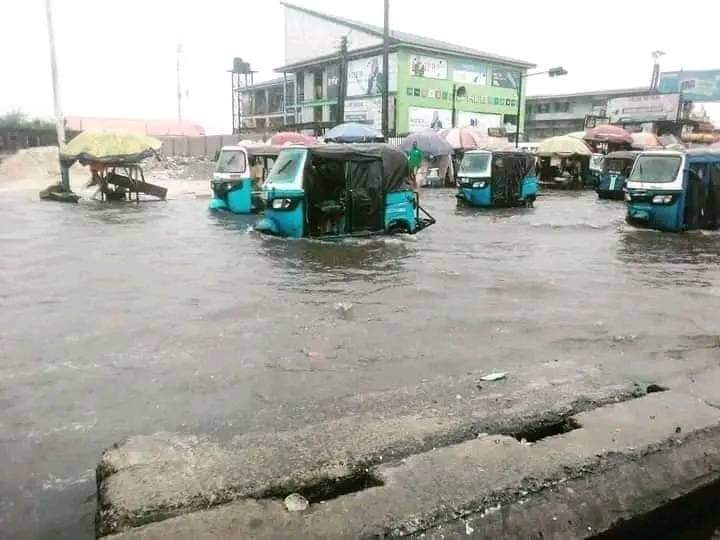
Residents and road users along the Warri Airport Road, particularly the section near Federal Government College in Warri South Local Government Area of Delta State, have continued to contend with recurring flooding despite years of road construction and rehabilitation efforts.
The affected stretch is frequently submerged following heavy rainfall, with inadequate drainage identified as a major factor contributing to the persistent flooding.
The recurring situation has raised concerns among motorists, residents and other road users, who say the condition of the road continues to disrupt movement and create difficulties for commuters whenever there is significant rainfall.
The development has also renewed calls for attention to the drainage system along the route, with residents hoping that a lasting solution will be implemented to prevent the road from repeatedly becoming flooded.
By staff Reporter: Rukevwe Odeh
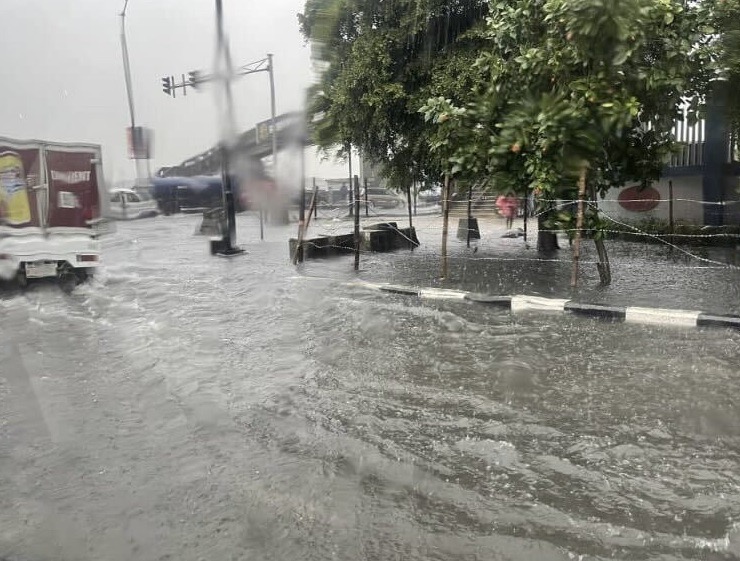
A heavy downpour has left the popular NNPC Housing Complex Road, also known as Ekpan Link Road, submerged in floodwater in Uvwie Local Government Area of Delta State.
The rainfall caused significant water accumulation along the busy road, affecting movement and creating difficulties for motorists and other road users.
The condition of the road has renewed concerns over flooding and drainage challenges in the area, particularly during periods of heavy rainfall.
Residents and commuters are expected to exercise caution while using the affected route as efforts to manage the situation continue.
-

 Social2 months ago
NAIS – Northern Nigeria/Abuja Chapter Honours Amb. Ebi Lagos with Award of Recognition
-
 Breaking3 months ago
2027: INEC Alegedly Announces Plans to Conduct Party Primaries in the Newly Created State Constituencies in Warri North and Warri Southwest LGAs, Others
-

 News1 month ago
PAP: EX-AGITATORS OF BOYLOAF CAMP DISTANCE SELVES FROM THEIR LEADERS ONSLAUGHT ON THE PAP ADMINISTRATOR
-

 Local News4 months ago
Just In: Ambassador Podoki Emerges APP Candidate for Burutu Constituency-I Assembly Seat
-
 Politics3 months ago
2027: Mulade Challenges NDC’s Substitution of His Party Candidacy, Demands ₦5 Billion Damages
-
 Breaking3 months ago
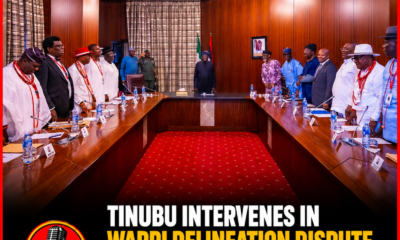
Tinubu Intervenes in Warri Delineation Dispute, Meets Ijaw, Urhobo and Itsekiri Leaders
-

 Local News4 months ago
INC: Group Faults Sponsored Attacks on Tompolo, Igbadiwei, Urges Unity in Ijaw Nation
-

 Entertainment2 months ago
JKing Logistics Coordinator Shed Light to Address Ijaw Music Wage Controversy