
News
Reps Warn Tertiary Institutions Over Delayed NELFUND Student Refunds

By staff Reporter Rukevwe Odeh
The House of Representatives has warned tertiary institutions participating in the Nigerian Education Loan Fund (NELFUND) scheme that they risk sanctions for failing to comply with the programme’s financial guidelines, particularly regarding student refunds.
The warning followed concerns raised by the House Committee on Student Loans, Scholarships and Higher Education Financing over alleged irregularities in the handling of funds disbursed for eligible students.
Chairman of the committee, Ifeoluwa Ehindero, said recent monitoring exercises and engagements with beneficiary institutions revealed instances of alleged non-compliance with the student loan scheme’s requirements.
According to him, some institutions have reportedly withheld funds released for verified beneficiaries, delayed repayments to students who had already paid their tuition fees before NELFUND disbursements, or refunded only part of the money owed.
Ehindero cautioned that such practices could weaken transparency and accountability in the programme while increasing the financial burden on students who depend on the scheme to pursue their education.
He also warned that prolonged delays in processing payment notifications and refunds could disrupt students’ academic activities.
To address the concerns, the committee directed heads of beneficiary institutions to ensure that bursars, information and communications technology (ICT) directors, and designated NELFUND officers properly manage funds received on behalf of students.
The lawmakers stressed that all disbursed funds must be used for their intended purposes and that eligible students must receive the appropriate refunds in full and without unnecessary delays.
The committee further warned that institutions found to have deliberately violated the programme’s rules could face penalties in line with Section 5.6 of the NELFUND Guidelines.
It also disclosed plans to strengthen its oversight activities and introduce additional measures aimed at improving compliance, enforcing existing rules and promoting transparency in the administration of the scheme.
The committee reaffirmed its commitment to ensuring that eligible students receive the financial assistance allocated to them, stressing that institutional practices should not undermine the objectives of the Federal Government’s student loan programme.
It added that monitoring would continue to ensure that participating institutions comply with the established guidelines and that students are not denied the benefits of funds provided for their education.

By staff Reporter Rukevwe Odeh
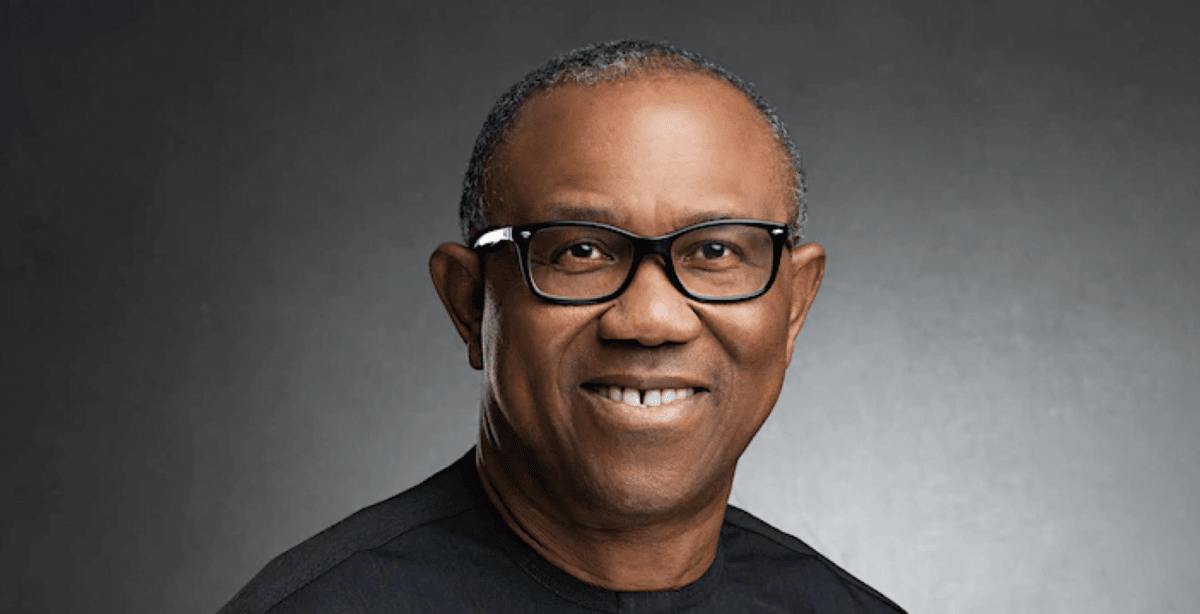
Peter Obi, presidential candidate of the Nigeria Democratic Congress (NDC), has vowed to prosecute and jail individuals found guilty of electoral fraud if elected president in the 2027 general election.
Obi made the declaration on Wednesday during an NDC town hall meeting in Akwanga Local Government Area of Nasarawa State, where he addressed party supporters on electoral integrity and the need to strengthen Nigeria’s democratic institutions.
The former Anambra State governor warned that individuals who attempt to manipulate election results would face legal consequences, regardless of their positions or political affiliations.
Speaking on how his party would respond to electoral malpractice, Obi said his administration would take decisive steps to prevent election rigging and ensure that offenders were held accountable.
He stated that strengthening political parties and reforming the electoral process would be central to his proposed measures to protect the credibility of future elections.
Obi also warned officials of the Independent National Electoral Commission (INEC) and other individuals involved in election administration against participating in electoral fraud, insisting that anyone found guilty would face prosecution.
Beyond electoral offences, the NDC candidate called for stricter eligibility requirements for individuals seeking elective positions, proposing that aspirants should demonstrate that they attended primary and secondary school.
He further warned that anyone who forged academic certificates or falsely claimed educational qualifications would face imprisonment.
According to Obi, his proposed administration would uphold the rule of law and ensure that public officials and ordinary citizens were treated equally before the law.
He maintained that Nigeria needed an electoral system in which votes counted, political institutions functioned effectively, and electoral laws were enforced without discrimination.
Obi said his ambition was driven by the desire to transform the country and establish a system where democratic principles and accountability were respected.
His comments come as political parties and prospective candidates intensify preparations for the 2027 general elections, with electoral transparency and the credibility of the voting process expected to remain major campaign
By Staff Reporter Rukevwe Odeh
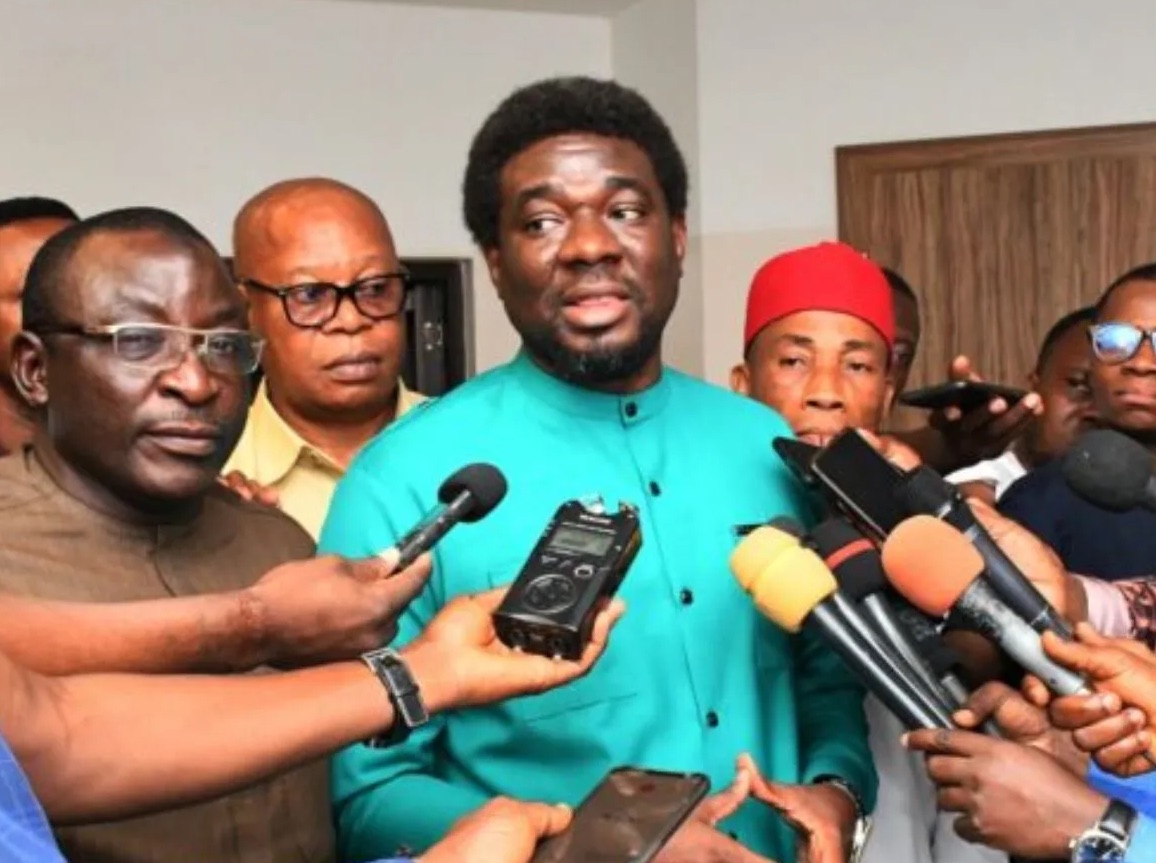
The Trade Union Congress of Nigeria (TUC) has rejected the Federal Government’s proposed ₦70,000 monthly wage award for workers, demanding an immediate salary increase and the full implementation of outstanding agreements with health sector unions.
The congress urged President Bola Tinubu’s administration to introduce a permanent salary adjustment rather than rely on temporary financial interventions, which it described as inadequate to address the economic hardship facing Nigerian workers.
The Federal Government had approved a ₦70,000 transportation allowance for workers across all levels for six months, beginning in November 2026, following a conciliation meeting with the leadership of the Nigeria Labour Congress (NLC).
However, the TUC maintained that workers required sustainable improvements in their earnings to cope with rising costs of food, transportation, healthcare and other essential services.
TUC Proposes ₦300,000 Minimum Salary
The labour congress argued that the Federal Government could increase the salary of the lowest-paid worker from the current ₦70,000 minimum wage to ₦300,000 monthly without waiting for negotiations on a new national minimum wage.
According to the TUC, there is no legal provision establishing a maximum salary that employers can pay workers.
The congress also pointed out that some state governments had introduced minimum wages exceeding ₦100,000, arguing that the Federal Government could adopt a more substantial salary increase and make corresponding adjustments across other salary grades.
It insisted that ongoing negotiations over the national minimum wage should not prevent the government from taking immediate action to improve workers’ earnings.
TUC Questions Previous Wage Award Implementation
The congress explained that its rejection of the proposed intervention was partly informed by the incomplete implementation of the previous wage award introduced in October 2023.
According to the TUC, some workers were still owed one or two months of payments, while others reportedly received nothing.
It further alleged that payments to some beneficiaries were irregular, with workers sometimes waiting one or two months between payments despite repeated demands.
The union also claimed that more than 80 per cent of states and workers in the informal sector did not benefit from any form of wage award.
The TUC argued that introducing another temporary payment without addressing the shortcomings of previous arrangements could undermine workers’ confidence in government commitments.
Beyond salary increases, the congress called for the immediate implementation of the outstanding agreement with the Joint Health Sector Unions (JOHESU), particularly the adjustment of the Consolidated Health Salary Structure (CONHESS).
The TUC said the agreement was reached following negotiations aimed at resolving the prolonged industrial dispute involving health workers.
According to the congress, JOHESU suspended its industrial action in good faith after the agreement was reached, but the Federal Government had yet to fulfil its commitment regarding the CONHESS adjustment.
The union said seven months had passed since the agreement was reached, describing the delay as unacceptable and warning that failure to honour agreements could weaken trust between the government and organised labour.
It called on the government to implement the agreed adjustment without further delay, provide the necessary budgetary provisions and publish a clear timetable for resolving all outstanding issues.
The congress also urged federal, state and local governments to introduce practical measures to reduce the cost of essential goods and services.
It called for the timely payment of salaries and pensions, protection of existing jobs, an end to exploitative labour practices and renewed efforts to strengthen productive sectors of the economy.
The TUC stressed that economic hardship affected not only federal workers but also state and local government employees, pensioners, private-sector workers and those operating in the informal economy.
The congress maintained that government interventions must be inclusive, adequately funded and supported by clear implementation plans.
It said it was awaiting the outcome of its scheduled meeting with the Federal Government before deciding on its next course of action.
The TUC reiterated that workers were demanding improved living conditions, fair remuneration and respect for agreements, insisting that temporary relief measures should not replace lasting improvements in workers’ welfare.
By staff Reporter Rukevwe Odeh
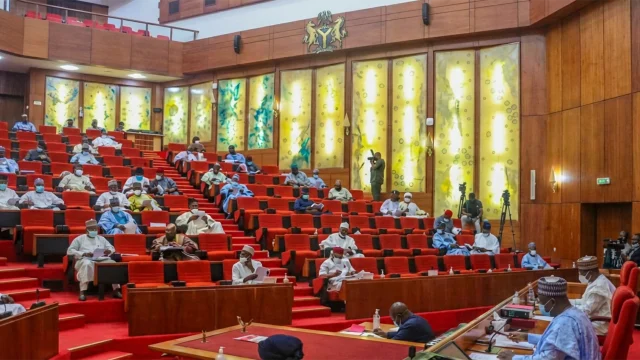
The Nigerian Senate has passed a bill seeking to introduce stiffer penalties, including heavier fines and criminal sanctions, against individuals and companies responsible for oil spills and environmental pollution in the country’s petroleum industry.
The proposed legislation, known as the National Oil Spill Detection and Response Agency (Establishment) Act (Amendment) Bill, 2026, seeks to strengthen the enforcement powers of the National Oil Spill Detection and Response Agency (NOSDRA).
The bill was passed after the Senate considered and adopted the report of its Committee on Environment during plenary.
Presenting the committee’s report on behalf of its chairman, Senator Olubiyi Fadeyi Oluwole, the Senate Chief Whip, Senator Tahir Monguno, representing Borno North, said existing penalties had failed to deter environmental violations, making tougher sanctions necessary.
According to Monguno, oil spills have continued to damage farmlands, contaminate fishing waters and destroy the livelihoods of residents in oil-producing communities, particularly across the Niger Delta.
He maintained that stronger penalties would help hold those responsible for environmental damage accountable and improve compliance with environmental regulations.
The amendment seeks to revise the NOSDRA Establishment Act, 2006, by providing a stronger legal framework for punishing oil pollution offenders and enhancing the agency’s capacity to enforce environmental standards.
During consideration of the bill, lawmakers examined its provisions clause by clause under the Committee of the Whole and approved all 12 clauses, including the short title, explanatory memorandum and long title.
The bill was subsequently read for the third time and passed after the Senate returned to plenary.
Senate President Godswill Akpabio commended the Committee on Environment for its work and congratulated NOSDRA on the additional enforcement powers envisaged under the legislation.
Oil pollution remains a major environmental and economic concern in the Niger Delta, where repeated spills have affected ecosystems, agricultural land, fishing activities and access to clean water in several communities.
The proposed amendment is expected to strengthen accountability in the petroleum sector, although its effectiveness will depend on proper implementation, effective monitoring and consistent enforcement against offenders.
-

 Social3 months ago
NAIS – Northern Nigeria/Abuja Chapter Honours Amb. Ebi Lagos with Award of Recognition
-
 Breaking5 months ago
2027: INEC Alegedly Announces Plans to Conduct Party Primaries in the Newly Created State Constituencies in Warri North and Warri Southwest LGAs, Others
-
 News2 months ago
PAP: EX-AGITATORS OF BOYLOAF CAMP DISTANCE SELVES FROM THEIR LEADERS ONSLAUGHT ON THE PAP ADMINISTRATOR
-

 Local News5 months ago
Just In: Ambassador Podoki Emerges APP Candidate for Burutu Constituency-I Assembly Seat
-
 Politics5 months ago
2027: Mulade Challenges NDC’s Substitution of His Party Candidacy, Demands ₦5 Billion Damages
-
 Breaking5 months ago
Tinubu Intervenes in Warri Delineation Dispute, Meets Ijaw, Urhobo and Itsekiri Leaders
-
 Breaking5 months ago
Confirmed: INEC Announces Implementation of Warri Delineation Report, Restores Other Constinuencies
-
 Entertainment4 months ago
JKing Logistics Coordinator Shed Light to Address Ijaw Music Wage Controversy