
News
Senate Set to Investigate ₦1.3bn Budget Allocation to Alleged Non-Existent Agency

By Rukevwe odeh
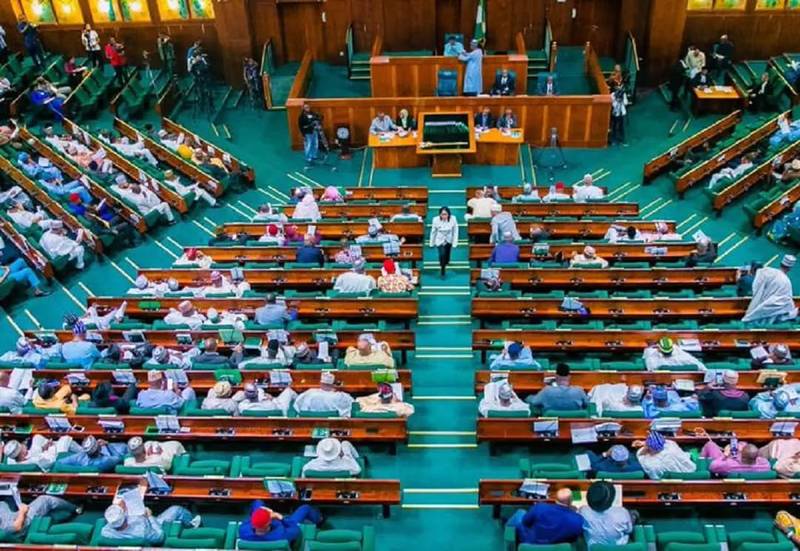
The Nigerian Senate is expected to examine the controversial ₦1.3 billion budgetary allocation made to the Presidential Foreign Intervention Promotion Council (PFIPC) when lawmakers reconvene for plenary on Tuesday, following allegations that the agency was created and operated using forged official documents.
According to sources within the Presidency and the civil service, Prince Adeniyi Adeyemi Mathew allegedly presented a falsified appointment letter bearing the forged signature of the President’s Chief of Staff, Femi Gbajabiamila, to secure office space at the Federal Secretariat in Abuja. The document reportedly gave the impression that the council was a legitimate government institution.
The sources claimed the forged document escaped proper verification across several government institutions, enabling the council to interact with ministries, diplomatic missions, lawmakers and private organisations. They argued that stricter administrative checks by relevant agencies could have prevented the situation.
A source at the National Assembly disclosed that the ₦1.3 billion allocation was reportedly included in the 2026 Appropriation Act without any representative of the council appearing before the Senate committee responsible for budget defence. The source added that senators are expected to discuss the matter during the next plenary session.
Presidency officials also maintained that appointments to agencies under the Presidency can only be made by the President through the Office of the Secretary to the Government of the Federation, not by the Chief of Staff. They described the appointment letter allegedly used by Adeyemi as fraudulent.
Further reports indicate that concerns about the council first surfaced in October 2025 after the Nigerian Investment Promotion Commission reportedly observed that the body was carrying out functions already assigned to it by law. The matter was said to have been reported to the Chief of Staff, who denied any involvement and alerted security agencies, leading to investigations and the suspect’s arraignment.
The controversy has attracted widespread reactions from civil society organisations and political figures. The Socio-Economic Rights and Accountability Project (SERAP) has called on the National Assembly to disclose all records relating to the disputed allocation, while other advocacy groups have demanded a transparent investigation into how public funds were approved for an agency the Presidency says does not legally exist.
Former Vice President Atiku Abubakar also urged the Federal Government to conduct an independent investigation into the matter. However, Deputy House of Representatives spokesman Philip Agbese appealed for patience, insisting that due process should be allowed to take its course. Some legal experts have also cautioned against drawing conclusions before investigations are completed.
Adeyemi is expected to appear before the Federal High Court in Abuja on July 27 alongside two other suspects who remain at large as investigations continue.

By staff Reporter Rukevwe Odeh
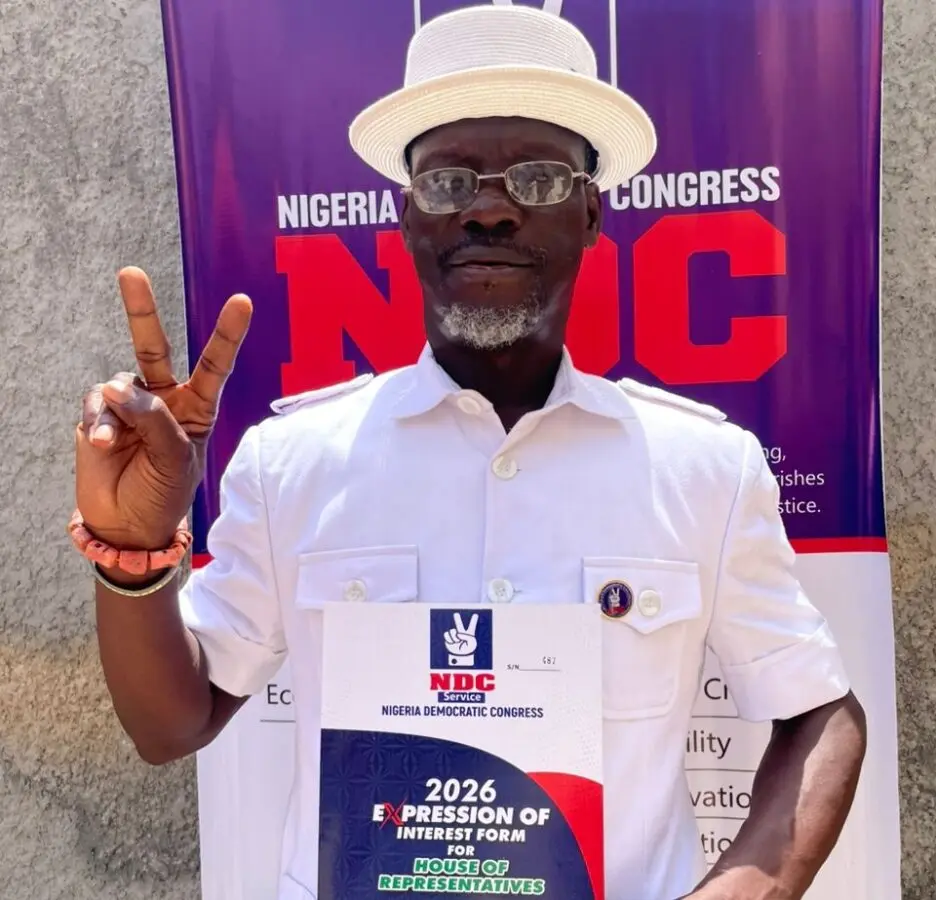
A group of stakeholders in Warri has announced its decision to withdraw support for the incumbent member representing the Warri Federal Constituency in the House of Representatives, Hon. Thomas Ereyitomi, ahead of the 2027 general elections.
The group, while explaining its position, cited what it described as dissatisfaction with the lawmaker’s performance and representation of the constituency.
The stakeholders subsequently declared their support for Comrade Jude Ukori Mulade as their preferred candidate for the 2027 House of Representatives election.
According to the group, its decision followed concerns over the level of representation and development delivered to the constituency under the current administration.
The stakeholders said they were seeking a representative who would be more responsive to the needs of the people and more committed to advancing issues affecting residents across the constituency.
They urged other political stakeholders and eligible voters in Warri to consider Mulade’s candidacy as the 2027 elections approach.
The group’s endorsement adds to the growing political activities and realignments expected to shape the contest for the Warri Federal Constituency seat ahead of the 2027 general elections.
Ereyitomi, who currently represents the constituency in the House of Representatives, has yet to publicly respond to the allegations contained in the group’s statement.

By staff Reporter Rukevwe Odeh
Residents and road users along the Warri Airport Road, particularly the section near Federal Government College in Warri South Local Government Area of Delta State, have continued to contend with recurring flooding despite years of road construction and rehabilitation efforts.
The affected stretch is frequently submerged following heavy rainfall, with inadequate drainage identified as a major factor contributing to the persistent flooding.
The recurring situation has raised concerns among motorists, residents and other road users, who say the condition of the road continues to disrupt movement and create difficulties for commuters whenever there is significant rainfall.
The development has also renewed calls for attention to the drainage system along the route, with residents hoping that a lasting solution will be implemented to prevent the road from repeatedly becoming flooded.
By staff Reporter: Rukevwe Odeh
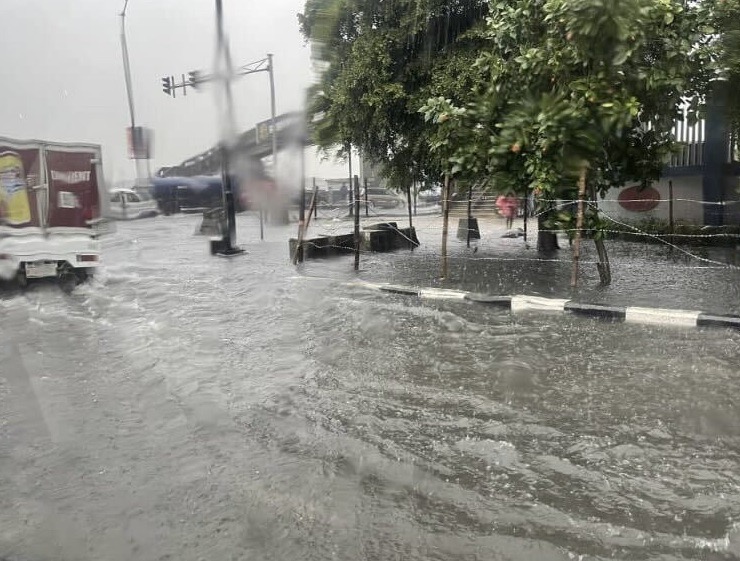
A heavy downpour has left the popular NNPC Housing Complex Road, also known as Ekpan Link Road, submerged in floodwater in Uvwie Local Government Area of Delta State.
The rainfall caused significant water accumulation along the busy road, affecting movement and creating difficulties for motorists and other road users.
The condition of the road has renewed concerns over flooding and drainage challenges in the area, particularly during periods of heavy rainfall.
Residents and commuters are expected to exercise caution while using the affected route as efforts to manage the situation continue.
-

 Social2 months ago
NAIS – Northern Nigeria/Abuja Chapter Honours Amb. Ebi Lagos with Award of Recognition
-
 Breaking3 months ago
2027: INEC Alegedly Announces Plans to Conduct Party Primaries in the Newly Created State Constituencies in Warri North and Warri Southwest LGAs, Others
-

 News1 month ago
PAP: EX-AGITATORS OF BOYLOAF CAMP DISTANCE SELVES FROM THEIR LEADERS ONSLAUGHT ON THE PAP ADMINISTRATOR
-

 Local News4 months ago
Just In: Ambassador Podoki Emerges APP Candidate for Burutu Constituency-I Assembly Seat
-
 Politics3 months ago
2027: Mulade Challenges NDC’s Substitution of His Party Candidacy, Demands ₦5 Billion Damages
-
 Breaking3 months ago
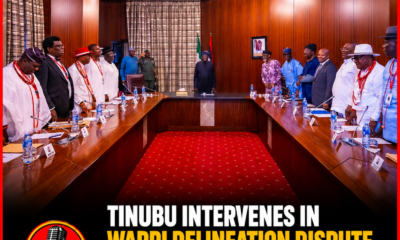
Tinubu Intervenes in Warri Delineation Dispute, Meets Ijaw, Urhobo and Itsekiri Leaders
-
 Local News4 months ago
INC: Group Faults Sponsored Attacks on Tompolo, Igbadiwei, Urges Unity in Ijaw Nation
-
 Entertainment2 months ago
JKing Logistics Coordinator Shed Light to Address Ijaw Music Wage Controversy