Opinion
Why the Ijaw Nation Still Struggles Despite Oil Wealth – Wisdom Ikuli Highlights Two Key Challenges

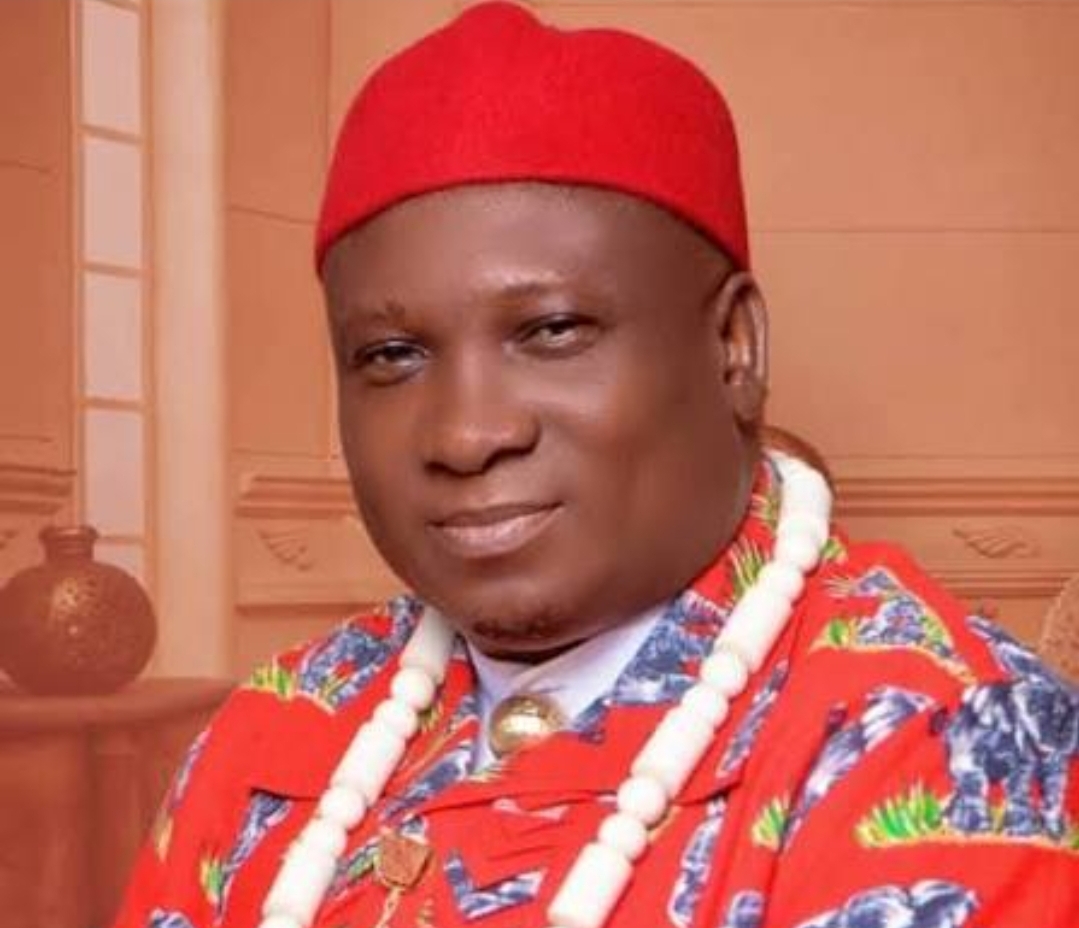
By Rukevwe Odeh
A growing conversation has emerged around the paradox of poverty in the Ijaw Nation despite its vast oil resources, with political analyst Wisdom Oniekuli drawing attention to what he describes as two deep-rooted issues holding the region back.
In his reflection on the socio-economic condition of the Ijaw people, Ikuli emphasizes that although the Niger Delta remains the backbone of Nigeria’s oil production, the benefits of this wealth have not translated into meaningful development for local communities.
He argues that one of the major problems is weak internal unity and leadership structure. According to him, divisions within the region have made it difficult for the Ijaw people to speak with one voice or pursue a coordinated development agenda. This lack of cohesion, he suggests, has also affected how leaders are chosen and supported, often prioritizing personal or sectional interests over collective progress.
The second challenge he points to is external marginalization and systemic neglect. Despite contributing significantly to national revenue through crude oil, oil-producing communities continue to face environmental degradation, poverty, and underdevelopment. He notes that limited political representation and an unfavorable resource control structure have further worsened the situation.
Ikuli also stresses that these realities make it necessary for the Ijaw Nation to rethink its development strategy. He calls for what he describes as “self-reinvention,” urging stakeholders to focus on building stronger institutions, encouraging competent leadership, and promoting unity across communities.
He further highlights Bayelsa State as a key center for driving regional transformation, suggesting that sustained development efforts there could serve as a foundation for broader progress across Ijaw land. He also points to ongoing governance initiatives as steps in the right direction, but insists that continuity and collective support are essential for long-term success.
Comparing the Ijaw situation with other regions in Nigeria, he observes that areas like Lagos, Kano, Kaduna, Enugu, Aba, and Onitsha have been able to establish stronger economic hubs, and he argues that the Ijaw Nation must pursue similar pathways to achieve sustainable growth.
Ultimately, the message is a call for unity, strategic thinking, and leadership reform. Ikuli maintains that despite the region’s vast natural wealth, real progress will only come when internal divisions are resolved and development efforts are collectively sustained.




Opinion
PAP Achievements: Ogidigba Calls on Niger Delta Stakeholders to Support Otuaro, Hails IPF’s Media Advocacy

By Favour Bibaikefie
The National Chairman of Phase 3 of the Presidential Amnesty Programme (PAP), Gen. Godstime Ogidigba, popularly known as Gen. Ogidigba, has called on media organisations, community leaders and critical stakeholders across the Niger Delta to intensify support for the Administrator of the Presidential Amnesty Programme, High Chief Dr. Dennis Otuaro, by giving wider publicity to the programme’s achievements and developmental initiatives.
Gen. Ogidigba made the call while commending the Ijaw Publishers Forum (IPF), under the leadership of Comrade Austin Ozobo, for what he described as a sustained effort to project the accomplishments of the Otuaro-led administration through factual and balanced reporting.
According to him, the media advocacy undertaken by the forum has played a significant role in correcting public misconceptions about the Presidential Amnesty Programme and countering what he described as deliberate attempts by critics to spread misinformation, propaganda and false narratives aimed at discrediting the current administration.
He noted that the forum’s commitment to highlighting the programme’s successes has provided the public with a clearer understanding of the reforms and developmental initiatives being implemented under Dr. Otuaro’s leadership.
Gen. Ogidigba urged other media houses, opinion leaders and stakeholders in the region to emulate the example set by Comrade Austin Ozobo and the Ijaw Publishers Forum by supporting efforts that promote peace, development and the positive transformation taking place within the Presidential Amnesty Programme.
He further stressed the importance of unity among the Ijaw people, saying collective support for credible leadership remains vital to the sustainable development of the Niger Delta.
According to him, “the time has come for Ijaw people to unite in supporting and promoting their own,” stressing that collective unity and cooperation remain essential to the progress and development of the Niger Delta.
He emphasized that, “United we stand, divided we fall.”
Gen. Ogidigba expressed optimism that greater collaboration among media practitioners, traditional leaders, youth groups and other stakeholders would further strengthen ongoing efforts to consolidate peace, stability and socio-economic development across the region.

• Commends Education, Skills Development, Prompt Stipends and Peacebuilding Initiatives
By Divine Perezide
Renowned Niger Delta advocate, Comrade Ozobo Austin, has praised the Administrator of the Presidential Amnesty Programme (PAP), Chief Dennis Brutu Otuaro, PhD, for what he described as a transformative approach to youth development through sustained investment in education, vocational training, leadership development and peacebuilding across the Niger Delta.
Speaking after the successful conclusion of the sixth batch of the Presidential Amnesty Programme’s Leadership and Alternative Dispute Resolution (ADR) Capacity-Building Workshop in Abuja, Ozobo said the programme under Otuaro has continued to create opportunities that are empowering beneficiaries to become responsible and productive contributors to society.
According to him, the PAP’s continued sponsorship of local and international scholarship programmes, vocational skills acquisition initiatives and leadership training demonstrates a strong commitment to developing competent human capital capable of driving the long-term growth and stability of the region.
Ozobo also applauded the Administrator for ensuring the consistent payment of monthly stipends to beneficiaries, noting that the timely disbursement has strengthened confidence in the programme, reduced anxiety among beneficiaries and contributed to sustaining peace within the Niger Delta.
He stated that the combination of educational support, technical training and leadership development reflects a strategic effort to equip young people with the knowledge and practical skills required to build better livelihoods while reducing dependence on militancy and conflict.
The activist further urged political leaders, traditional institutions, community stakeholders, women and youth groups across the Niger Delta to continue supporting the ongoing reforms within the Presidential Amnesty Programme, stressing that collective support would enhance the programme’s capacity to deliver lasting peace, security and socio-economic development.
Ozobo expressed optimism that, with sustained commitment and stakeholder collaboration, Chief Dennis Otuaro’s leadership would continue to strengthen the gains of the Amnesty Programme by nurturing a new generation of educated, skilled and responsible leaders who will shape the future of the Niger Delta.
By Favour Bibaikefie
The Administrator of the Presidential Amnesty Programme (PAP), Dr. Dennis Brutu Otuaro, has reaffirmed President Bola Ahmed Tinubu’s commitment to expanding educational opportunities for young people in the Niger Delta through the programme’s scholarship scheme as part of efforts to strengthen human capital development in the region.
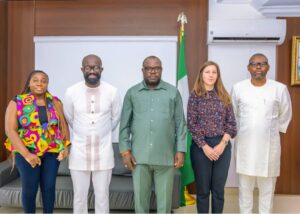
Dr. Otuaro made the remarks in Abuja while receiving a delegation from Anglia Ruskin University (ARU), United Kingdom, led by its Regional Director for Africa, Dr. Nana Adom. Other members of the delegation included Senior Admissions Manager, Eve Flower, and Country Manager for Nigeria, Linda Ayodele.
The visit was aimed at exploring ways to deepen the long-standing partnership between the university and the Presidential Amnesty Programme.
Speaking during the meeting, Dr. Otuaro said President Tinubu’s administration remained fully committed to investing in the education of Niger Delta youths under the Renewed Hope Agenda.
“President Bola Ahmed Tinubu is unwaveringly committed to supporting the Presidential Amnesty Programme, and he believes strongly that education is one of the best things for our youths in the Niger Delta.”
He added:
“This is because President Tinubu is concerned about the need to bridge the human capital development gap in the region, and he is irrevocably committed to it. The value of this educational investment will be great.”
The PAP Administrator disclosed that the programme has continued to record impressive academic achievements among its scholarship beneficiaries, noting that more than 50 students graduated with First Class honours, while about 40 others earned Second Class Upper Division in recent academic sessions.
He further revealed that about 9,000 beneficiaries have been deployed to institutions within Nigeria, while 273 students are studying in universities across the United Kingdom, describing the initiative as a strategic investment in the future of the Niger Delta.
According to him, the scholarship programme is equipping beneficiaries with the knowledge and skills needed to contribute meaningfully to national development and help build a more peaceful and productive society.
Dr. Otuaro also commended Anglia Ruskin University for its continued collaboration with the Presidential Amnesty Programme, describing the partnership as productive and beneficial to the educational aspirations of Niger Delta youths.
The university currently has 69 PAP alumni, while 28 scholarship beneficiaries are presently enrolled in various academic programmes. He disclosed that 36 students were deployed to the institution under his administration, with two expected to graduate in September 2026, four in January 2027, and eighteen in May 2027.
Earlier, the leader of the university delegation, Dr. Nana Adom, said the visit was intended to strengthen the relationship between ARU and the Presidential Amnesty Programme.
He expressed appreciation for the partnership and praised the academic performance of PAP-sponsored students, describing feedback from the university’s faculties as highly encouraging.
The Presidential Amnesty Programme has continued to expand its scholarship initiative as part of broader efforts to promote education, capacity building and sustainable development across the Niger Delta.
-

 Social4 weeks ago
NAIS – Northern Nigeria/Abuja Chapter Honours Amb. Ebi Lagos with Award of Recognition
-
 Breaking3 months ago
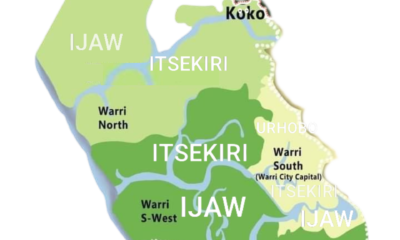
2027: INEC Alegedly Announces Plans to Conduct Party Primaries in the Newly Created State Constituencies in Warri North and Warri Southwest LGAs, Others
-

 Local News3 months ago
Just In: Ambassador Podoki Emerges APP Candidate for Burutu Constituency-I Assembly Seat
-
 Politics3 months ago
2027: Mulade Challenges NDC’s Substitution of His Party Candidacy, Demands ₦5 Billion Damages
-

 News2 weeks ago
PAP: EX-AGITATORS OF BOYLOAF CAMP DISTANCE SELVES FROM THEIR LEADERS ONSLAUGHT ON THE PAP ADMINISTRATOR
-
 Breaking3 months ago
Tinubu Intervenes in Warri Delineation Dispute, Meets Ijaw, Urhobo and Itsekiri Leaders
-

 Local News4 months ago
INC: Group Faults Sponsored Attacks on Tompolo, Igbadiwei, Urges Unity in Ijaw Nation
-

 Entertainment2 months ago
JKing Logistics Coordinator Shed Light to Address Ijaw Music Wage Controversy