
Local News
2027: Nigeria’s Defining Political Crossroads

As Nigeria gradually approaches the 2027 general elections, the political atmosphere across the country is becoming increasingly charged, strategic, and unpredictable. The battle for the presidency is already shaping into a fierce contest involving political heavyweights, regional interests, coalition movements, and ideological realignments that may ultimately redefine the nation’s democratic direction.
At the centre of the unfolding political calculations stands incumbent President Bola Ahmed Tinubu, whose administration will likely seek a second term under the ruling All Progressives Congress. Despite criticisms over economic hardship, inflation, insecurity, and the rising cost of living, Tinubu remains a formidable political strategist with the enormous advantage of incumbency, an entrenched party structure, and deep-rooted alliances across several regions of the country. Analysts believe that the president’s greatest strength lies not only in the APC’s nationwide political machinery but also in the fragmentation of the opposition, the Reuters puts it.
However, the opposition landscape is becoming increasingly complicated. Former Vice President Atiku Abubakar remains a major political force with extensive northern influence and decades of national political experience. Yet, questions persist regarding whether the country’s zoning sentiment and generational expectations may weaken his chances in 2027. Reports indicate growing internal debates among opposition stakeholders over whether Atiku should step aside in favour of a younger or southern candidate capable of building broader national consensus, as reporyed in the Nigeria news.
Another key figure dominating the political conversation is former Anambra State governor Peter Obi, whose popularity among Nigerian youths, urban voters, professionals, and reform-minded citizens remains significant following his strong 2023 presidential outing. Obi’s political relevance has continued to grow, particularly among Nigerians seeking issue-based governance, accountability, and economic reforms. Yet, the challenge before Obi remains whether he can successfully expand beyond his traditional support base and build stronger political structures in northern Nigeria and other rural regions where conventional political networks still dominate electoral outcomes. Wikipedia +1
Former Kano State governor Rabiu Musa Kwankwaso also remains a strategic factor in the 2027 calculations. Through the Kwankwasiyya political movement, Kwankwaso maintains substantial grassroots influence, particularly in Kano and parts of northern Nigeria. Political observers believe his eventual alliance decision may significantly shape the northern voting direction and opposition arithmetic ahead of the election, as obtained from Wikipedia.
Equally important in the emerging coalition politics is former Kaduna State governor Nasir El-Rufai, whose influence within northern political circles and coalition negotiations continues to attract national attention. Although controversies surrounding legal and political issues may affect his public image, El-Rufai remains one of the strongest political mobilisers in northern Nigeria.
One of the most significant developments ahead of 2027 is the emergence of new coalition platforms and political realignments. The growing activities within the Nigeria Democratic Congress and the African Democratic Congress reflect mounting efforts by opposition actors to avoid the costly vote fragmentation that characterised the 2023 elections. Political analysts widely believe that the inability of opposition parties to unite behind a single candidate in 2023 contributed significantly to Tinubu’s victory.
The opposition’s current dilemma therefore revolves around one central question: can personal ambitions be sacrificed for collective victory? That remains the biggest hurdle confronting the anti-APC coalition movement.
Nigeria’s 2027 presidential election may ultimately become less about political parties and more about coalition-building, trust, regional balancing, economic credibility, and voter confidence. The growing frustration among Nigerians over economic hardship, unemployment, insecurity, and governance challenges may create opportunities for opposition candidates. Nevertheless, history has shown that defeating an incumbent government in Nigeria requires exceptional unity, strategic discipline, and nationwide coordination.
Beyond personalities and political calculations, Nigerians must also begin demanding issue-based campaigns centred on economic recovery, power supply, youth employment, education, healthcare, security, infrastructure, and national unity. The country can no longer afford politics driven solely by ethnicity, religion, propaganda, and emotional sentiments.
The 2027 election is shaping up to be one of the most competitive and consequential political contests in Nigeria’s democratic history. Whether it results in continuity or change will depend not only on politicians but also on the political maturity, participation, and choices of the Nigerian electorate.
For now, the road to 2027 remains uncertain, but one reality is clear: Nigeria is entering another defining democratic moment.
By Prince Dr. Peretengboro Klintin Bibaikefie
Editor-in-Chief/Publisher, IduwiniVoice Newspaper

By Derick Peretengboro
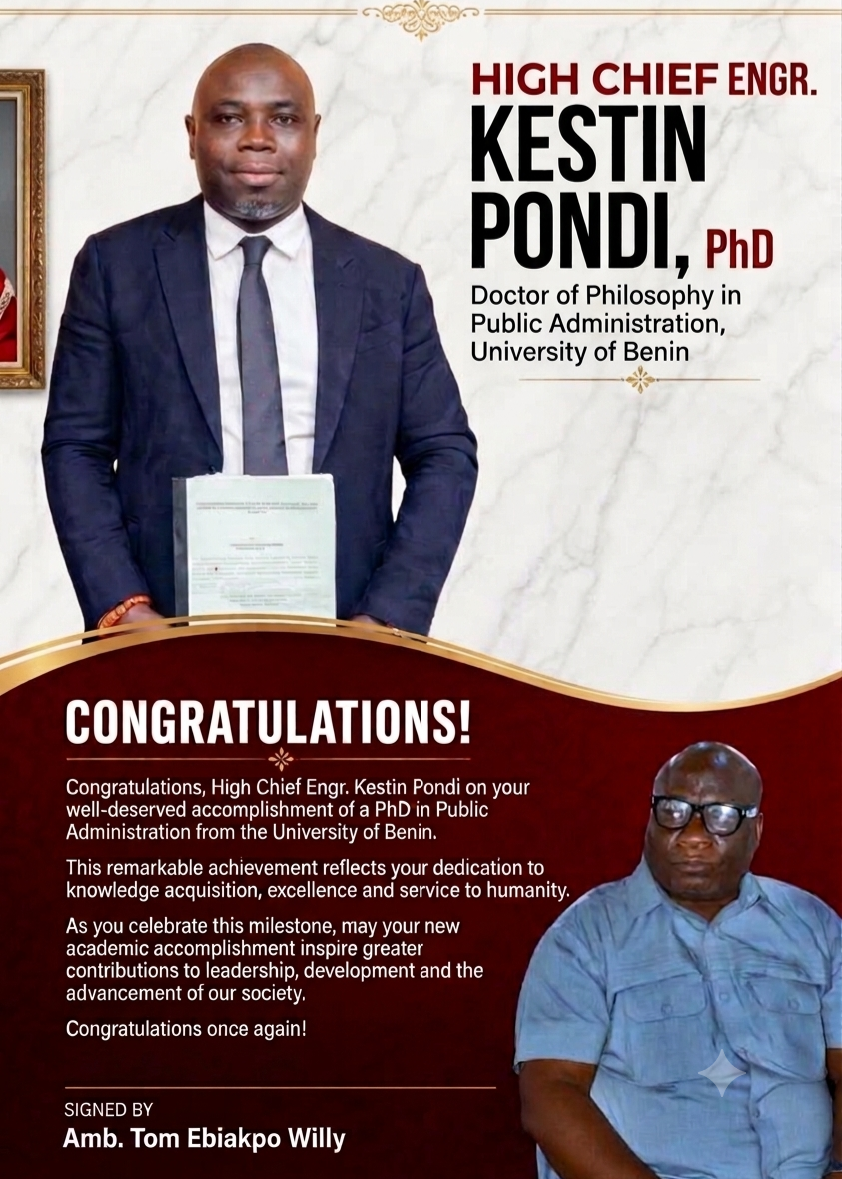
Amb. Tom Ebiakpo Willy has congratulated High Chief Engr. Kestin Pondi on his successful attainment of a Doctor of Philosophy (PhD) degree in Public Administration from the University of Benin.
In a congratulatory message, Amb. Willy described the academic achievement as well deserved, noting that it reflects Pondi’s dedication to knowledge acquisition, excellence and service to humanity.
He said the milestone should serve as an inspiration for greater contributions to leadership, societal development and the advancement of the Niger Delta and the wider society.
“Congratulations, High Chief Engr. Kestin Pondi, on your well-deserved accomplishment of a PhD in Public Administration from the University of Benin,” Willy stated.
He further wished the newly conferred scholar continued success, expressing optimism that his academic accomplishment would strengthen his capacity to make meaningful contributions to leadership and development.
Amb. Willy concluded by congratulating High Chief Engr. Kestin Pondi once again on the significant academic milestone.
By: Miracle Orumor
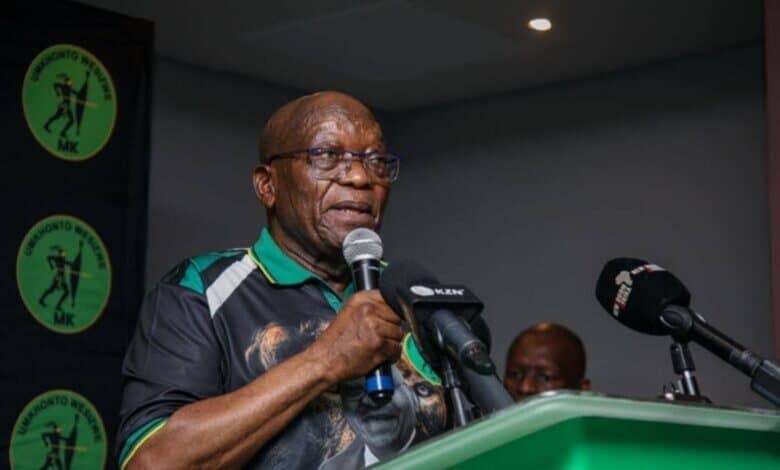
The uMkhonto weSizwe (MK) Party has stepped up preparations for the upcoming local government elections, unveiling its mayoral candidates and activating a dedicated election war room.
The move signals the party’s determination to mount a strong and coordinated campaign as political parties begin positioning themselves for control of key municipalities.
The MK Party said its selected candidates will spearhead its campaign at the local level, while the newly established war room will coordinate election strategies, monitor campaign activities and mobilise support across targeted areas.
Party leaders expressed confidence that the new campaign structure and mayoral candidates would strengthen the party’s presence and improve its chances at the polls.
With the local government elections approaching, the latest development places the MK Party firmly in campaign mode as it seeks to expand its political influence and challenge rival parties for control at the grassroots level.
By: Miracle Orumor
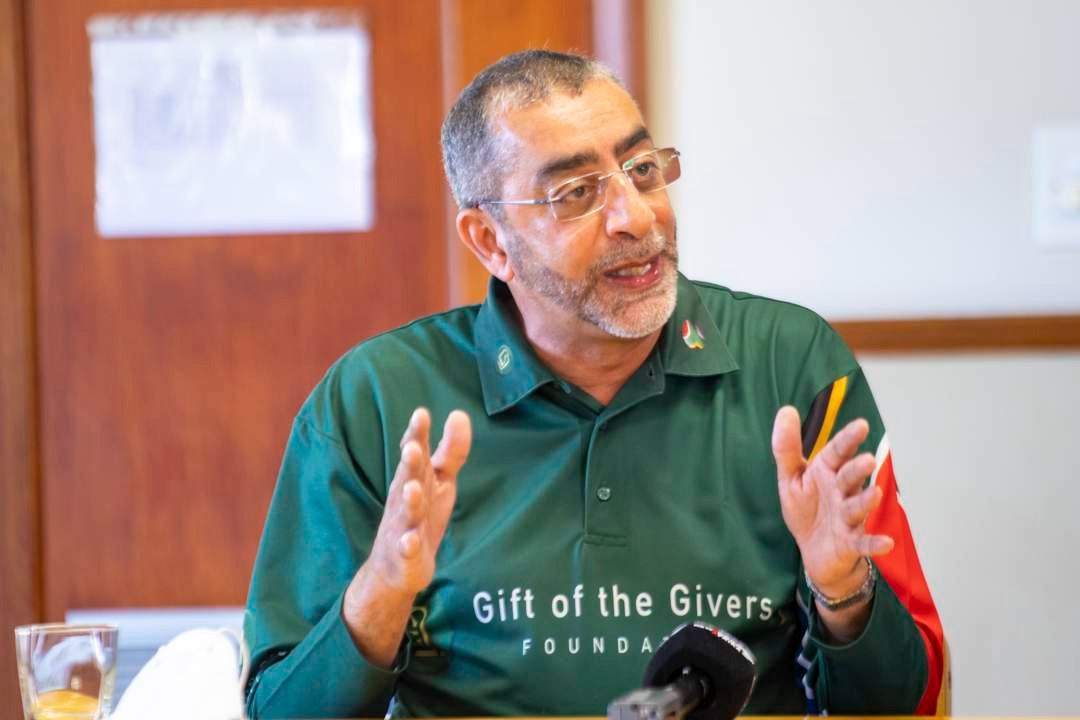
Humanitarian organisation Gift of the Givers says it is ready to step in and provide emergency assistance following devastating floods in Nepal, as the search continues for six South Africans who remain missing.
The severe flooding, triggered by heavy rainfall, has caused widespread destruction across parts of Nepal, leaving communities stranded, damaging infrastructure and complicating ongoing rescue operations.
Gift of the Givers has confirmed that it is closely monitoring the unfolding humanitarian crisis and remains on standby to provide assistance where needed.
Meanwhile, concern is growing over the fate of six South Africans who have yet to be located following the disaster. Search and rescue teams are continuing efforts to find those missing despite difficult weather conditions and challenging terrain.
The floods have left several communities facing uncertainty as emergency responders work to reach affected areas and assess the full scale of the destruction.
Authorities are expected to provide further updates as rescue operations continue and efforts intensify to locate survivors.
The unfolding disaster once again highlights the growing threat posed by extreme weather events and the devastating impact they can have on vulnerable communities.
-

 Social2 months ago
NAIS – Northern Nigeria/Abuja Chapter Honours Amb. Ebi Lagos with Award of Recognition
-
 Breaking3 months ago
2027: INEC Alegedly Announces Plans to Conduct Party Primaries in the Newly Created State Constituencies in Warri North and Warri Southwest LGAs, Others
-

 News1 month ago
PAP: EX-AGITATORS OF BOYLOAF CAMP DISTANCE SELVES FROM THEIR LEADERS ONSLAUGHT ON THE PAP ADMINISTRATOR
-

 Local News4 months ago
Just In: Ambassador Podoki Emerges APP Candidate for Burutu Constituency-I Assembly Seat
-
 Politics3 months ago
2027: Mulade Challenges NDC’s Substitution of His Party Candidacy, Demands ₦5 Billion Damages
-
 Breaking3 months ago
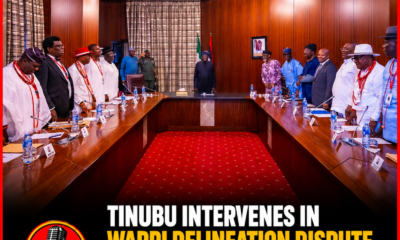
Tinubu Intervenes in Warri Delineation Dispute, Meets Ijaw, Urhobo and Itsekiri Leaders
-
 Local News4 months ago
INC: Group Faults Sponsored Attacks on Tompolo, Igbadiwei, Urges Unity in Ijaw Nation
-
 Entertainment2 months ago
JKing Logistics Coordinator Shed Light to Address Ijaw Music Wage Controversy