
News
Febokirifagha Ogbo Dismisses Claims of INEC Name Imposition in Warri, Defends Delineation Process

By Rukky Odeh
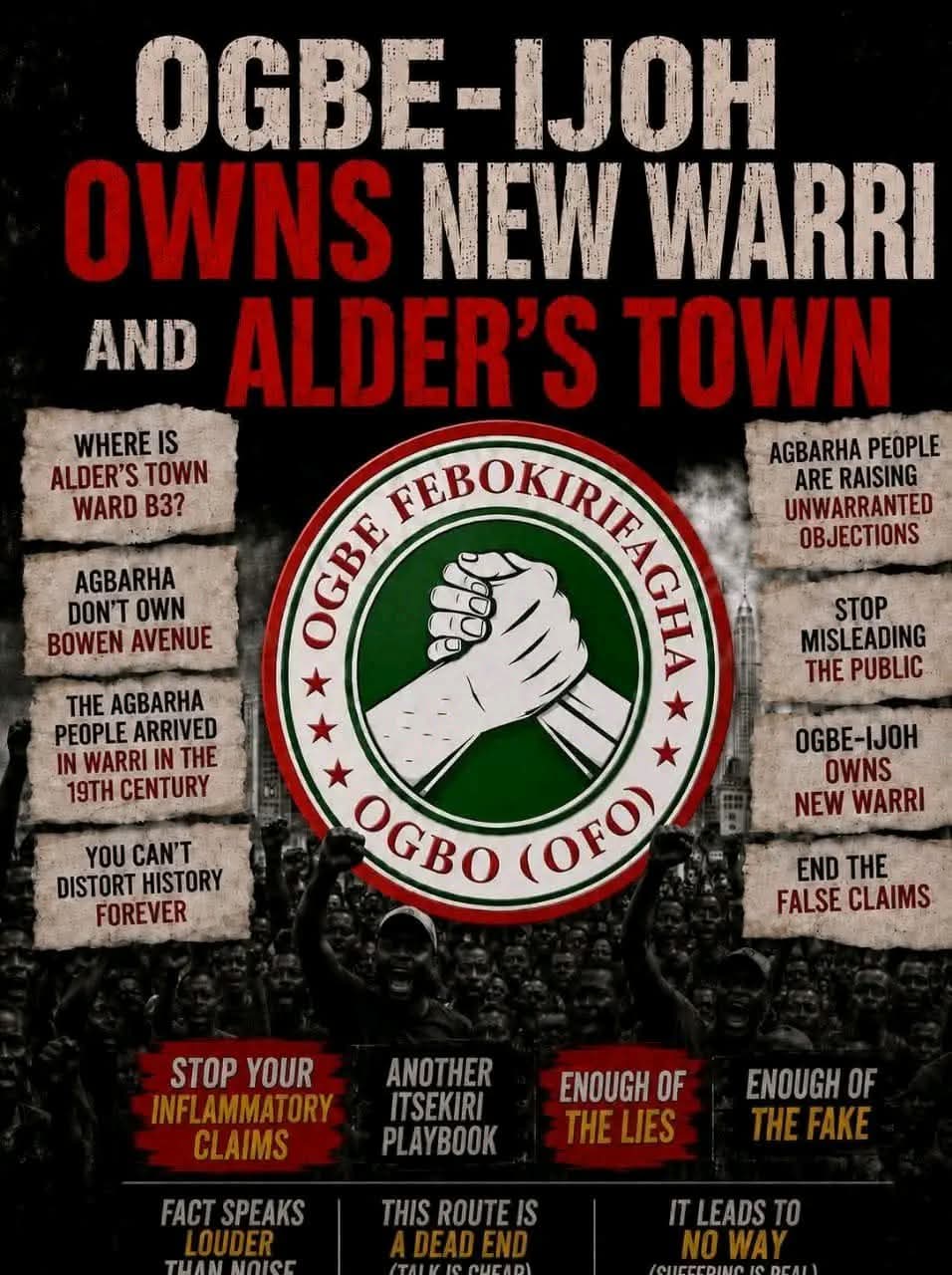
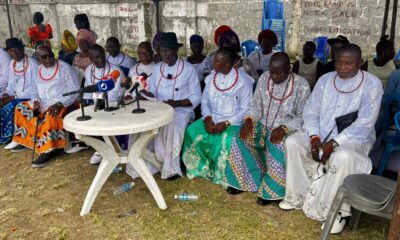
The Ogbe Febokirifagha Ogbo (OFO) has rejected allegations that the Independent National Electoral Commission (INEC) imposed Ijaw names on electoral wards in Warri South Local Government Area, describing the claims as false, misleading, and baseless.
In a statement issued on May 28, OFO was reacting to a recent press briefing by Agbarha representatives who alleged that INEC unlawfully imposed Ijaw names in parts of Warri South following the recently concluded ward delineation exercise.
According to OFO, the commission merely complied with the judgment of the Supreme Court, which ordered a fresh delineation exercise that resulted in the allocation of three wards to the Ogbe-Ijoh people based on their geographical spread and population.
The group maintained that the exercise was carried out in line with the apex court’s directive and not through any form of political imposition.
OFO recalled that before the latest delineation, the Ogbe-Ijoh Warri Kingdom already had several electoral wards within Warri South, including Alder’s Town Ward B3, Ogbe-Ijoh Ward C1, Ogbe-Ijoh Ward C2, and Ward F1 (GRA).
It alleged that over time, these wards were systematically reduced to polling units through political actions designed to weaken the representation of other ethnic groups in Warri.
Rather than resorting to public protests, the group said the Ijaw people pursued legal redress for more than a decade, culminating in the Supreme Court judgment that mandated INEC to conduct a fresh delineation exercise.
The organization further described as “disturbing” assertions that the Ogbe-Ijoh people do not own land in Warri, insisting that historical records, colonial leases, and government gazettes clearly establish the indigenous presence of the Ogbe-Ijoh people in the area.
According to OFO, Ogbe-Ijoh settlements and interests historically extended from Bowen Avenue through the Catholic Church axis on Warri-Sapele Road, stretching to Okere Prison, McIver Road, and the Old Port areas of Warri.
The group also referenced a memorandum reportedly signed on May 23, 1997, before a Judicial Commission of Inquiry by representatives of another kingdom and the Okere Urhobo people, which sought the inclusion of the Ijaw language in schools across the Warri metropolis.
It argued that such historical records contradict claims that the Ogbe-Ijoh people have no ancestral roots or land ownership within Warri.
OFO further stated that the era of what it described as false narratives, fabricated claims, and manipulation of legal processes to dominate other ethnic nationalities in Warri had ended.
The organization commended INEC for what it called the restoration of wards that were previously removed for political reasons and urged residents to support efforts aimed at sustaining peace in the area.
It also called on the National Security Adviser and other relevant security agencies to identify and monitor individuals or groups allegedly attempting to incite unrest through inflammatory statements regarding the delineation exercise.
The group appealed to members of the public to disregard what it termed divisive narratives capable of undermining the fragile peace currently being enjoyed in Warri.
The controversy over ward delineation in Warri South is part of a broader debate surrounding electoral representation among the Ijaw, Itsekiri, and Urhobo ethnic nationalities in the Warri Federal Constituency, following INEC’s implementation of the Supreme Court judgment on electoral ward delineation in the area.
Source: Gbaramatu Kingdom History Media


By Reporter Agregor Ebiboere Immaculate
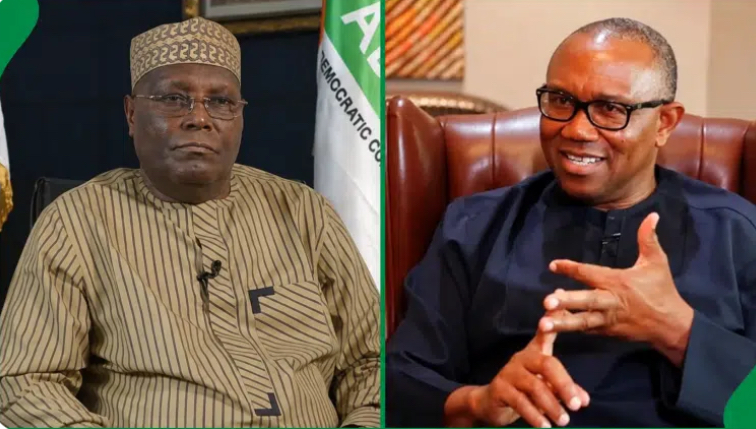
The proposed mega opposition coalition ahead of the 2027 general elections has triggered fresh debate over who should emerge as the presidential candidate between former Vice President Atiku Abubakar of the African Democratic Congress (ADC) and former Anambra State Governor Peter Obi of the Nigeria Democratic Congress (NDC).
The debate followed a call by the G100 coalition for opposition parties and political figures to unite behind a single candidate in an effort to challenge President Bola Ahmed Tinubu in the 2027 presidential election.
However, the major challenge confronting the proposed alliance remains the question of which of the two leading opposition figures should step down.
Obi, speaking in a recent interview with ARISE Television, said he could not unilaterally withdraw his presidential ambition in favour of Atiku.
According to him, any political arrangement involving the opposition must go beyond the individual candidates and involve the political parties concerned.
The issue has become particularly significant because Atiku and Obi previously appeared on the same presidential ticket in 2019 before contesting separately in the 2023 presidential election.
Atiku is widely regarded by his supporters as having extensive political experience, a nationwide political network and strong structures, particularly across Northern Nigeria.
Obi, on the other hand, has maintained a strong support base among young Nigerians and voters seeking political and economic reforms.
The disagreement over who should step aside has therefore become one of the major obstacles to efforts to build a single opposition platform ahead of 2027.
Calls for Atiku to Step Down
The NDC vice-presidential candidate, Rabiu Kwankwaso, had earlier called on Atiku to withdraw from the presidential race to facilitate a broader opposition arrangement.
The call, however, attracted criticism from some members of the ADC and the All Progressives Congress (APC).
ADC chieftain Chille Igbawua described the appeal as inappropriate and questioned suggestions that Atiku should withdraw because of his age or other personal considerations.
Meanwhile, Chief Promoter of the Alternative Movement, Segun Showunmi, has criticised the renewed push for candidates to step down at this stage of the political process.
Showunmi argued that the time for negotiating such an arrangement was before the various parties produced their presidential candidates.
He maintained that asking either Atiku or Obi to withdraw after their respective political structures had already been established could create further disagreements within the opposition.
According to him, both candidates have invested considerable time, resources and political effort in their presidential ambitions.
He also questioned how an agreement at the presidential level would affect candidates contesting for governorship, Senate and House of Representatives seats under the various parties.
Coalition Challenge
Showunmi further argued that the opposition coalition had already gone through several stages of negotiations and that the emergence of different presidential candidates had made a last-minute arrangement more complicated.
He said the proposed alliance would require clear agreements on issues such as the presidential candidate and power-sharing arrangements before the formation of a coalition.
The debate also comes as other opposition figures continue to pursue their own political ambitions ahead of 2027.
The central question now remains whether Atiku and Obi, alongside their respective political structures, can reach an agreement capable of producing a single presidential candidate.
With the 2027 election approaching, the outcome of the coalition discussions could have significant implications for the opposition’s strategy and the shape of the presidential contest.
For now, neither Atiku nor Obi has publicly announced a decision to withdraw from the presidential race in favour of the other
By staff Reporter Rukevwe Odeh
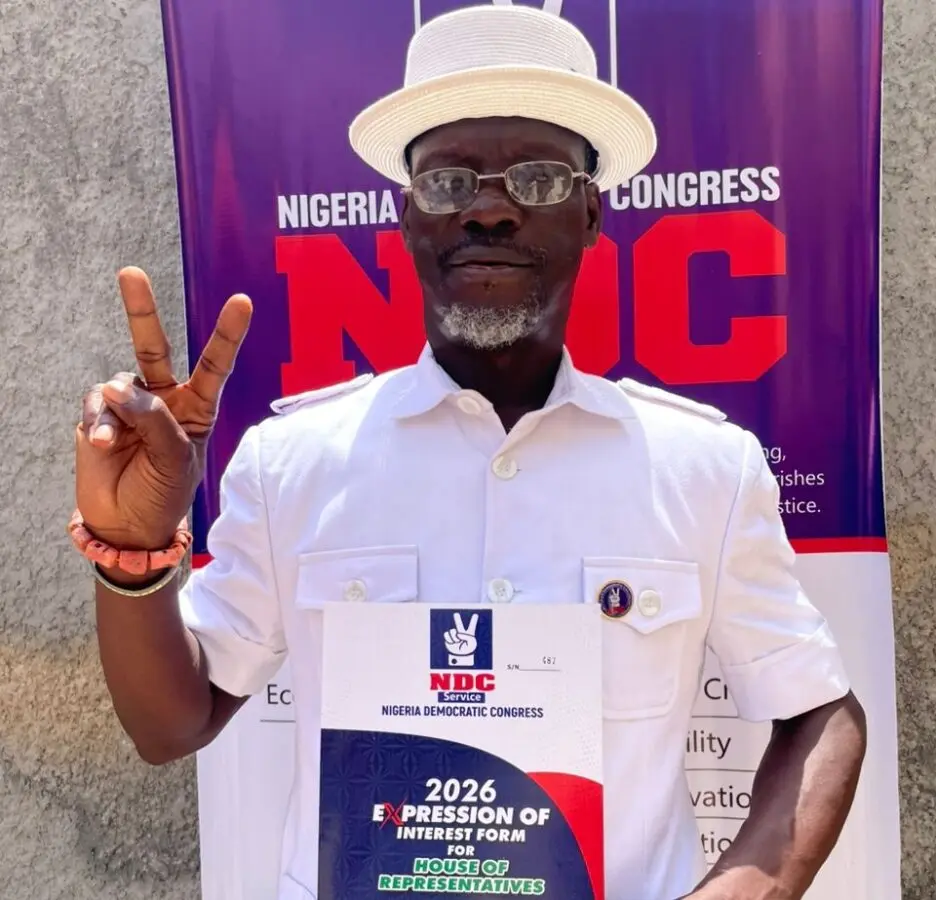
A group of stakeholders in Warri has announced its decision to withdraw support for the incumbent member representing the Warri Federal Constituency in the House of Representatives, Hon. Thomas Ereyitomi, ahead of the 2027 general elections.
The group, while explaining its position, cited what it described as dissatisfaction with the lawmaker’s performance and representation of the constituency.
The stakeholders subsequently declared their support for Comrade Jude Ukori Mulade as their preferred candidate for the 2027 House of Representatives election.
According to the group, its decision followed concerns over the level of representation and development delivered to the constituency under the current administration.
The stakeholders said they were seeking a representative who would be more responsive to the needs of the people and more committed to advancing issues affecting residents across the constituency.
They urged other political stakeholders and eligible voters in Warri to consider Mulade’s candidacy as the 2027 elections approach.
The group’s endorsement adds to the growing political activities and realignments expected to shape the contest for the Warri Federal Constituency seat ahead of the 2027 general elections.
Ereyitomi, who currently represents the constituency in the House of Representatives, has yet to publicly respond to the allegations contained in the group’s statement.

By staff Reporter Rukevwe Odeh
Residents and road users along the Warri Airport Road, particularly the section near Federal Government College in Warri South Local Government Area of Delta State, have continued to contend with recurring flooding despite years of road construction and rehabilitation efforts.
The affected stretch is frequently submerged following heavy rainfall, with inadequate drainage identified as a major factor contributing to the persistent flooding.
The recurring situation has raised concerns among motorists, residents and other road users, who say the condition of the road continues to disrupt movement and create difficulties for commuters whenever there is significant rainfall.
The development has also renewed calls for attention to the drainage system along the route, with residents hoping that a lasting solution will be implemented to prevent the road from repeatedly becoming flooded.
-

 Social2 months ago
NAIS – Northern Nigeria/Abuja Chapter Honours Amb. Ebi Lagos with Award of Recognition
-
 Breaking3 months ago
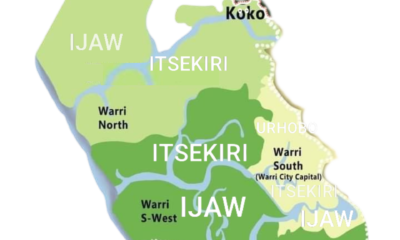
2027: INEC Alegedly Announces Plans to Conduct Party Primaries in the Newly Created State Constituencies in Warri North and Warri Southwest LGAs, Others
-
 News1 month ago
PAP: EX-AGITATORS OF BOYLOAF CAMP DISTANCE SELVES FROM THEIR LEADERS ONSLAUGHT ON THE PAP ADMINISTRATOR
-

 Local News4 months ago
Just In: Ambassador Podoki Emerges APP Candidate for Burutu Constituency-I Assembly Seat
-
 Politics3 months ago
2027: Mulade Challenges NDC’s Substitution of His Party Candidacy, Demands ₦5 Billion Damages
-
 Breaking3 months ago
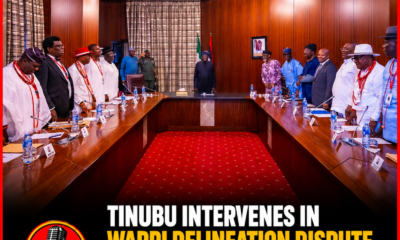
Tinubu Intervenes in Warri Delineation Dispute, Meets Ijaw, Urhobo and Itsekiri Leaders
-
 Local News4 months ago
INC: Group Faults Sponsored Attacks on Tompolo, Igbadiwei, Urges Unity in Ijaw Nation
-

 Entertainment2 months ago
JKing Logistics Coordinator Shed Light to Address Ijaw Music Wage Controversy